





 October 27, 2026
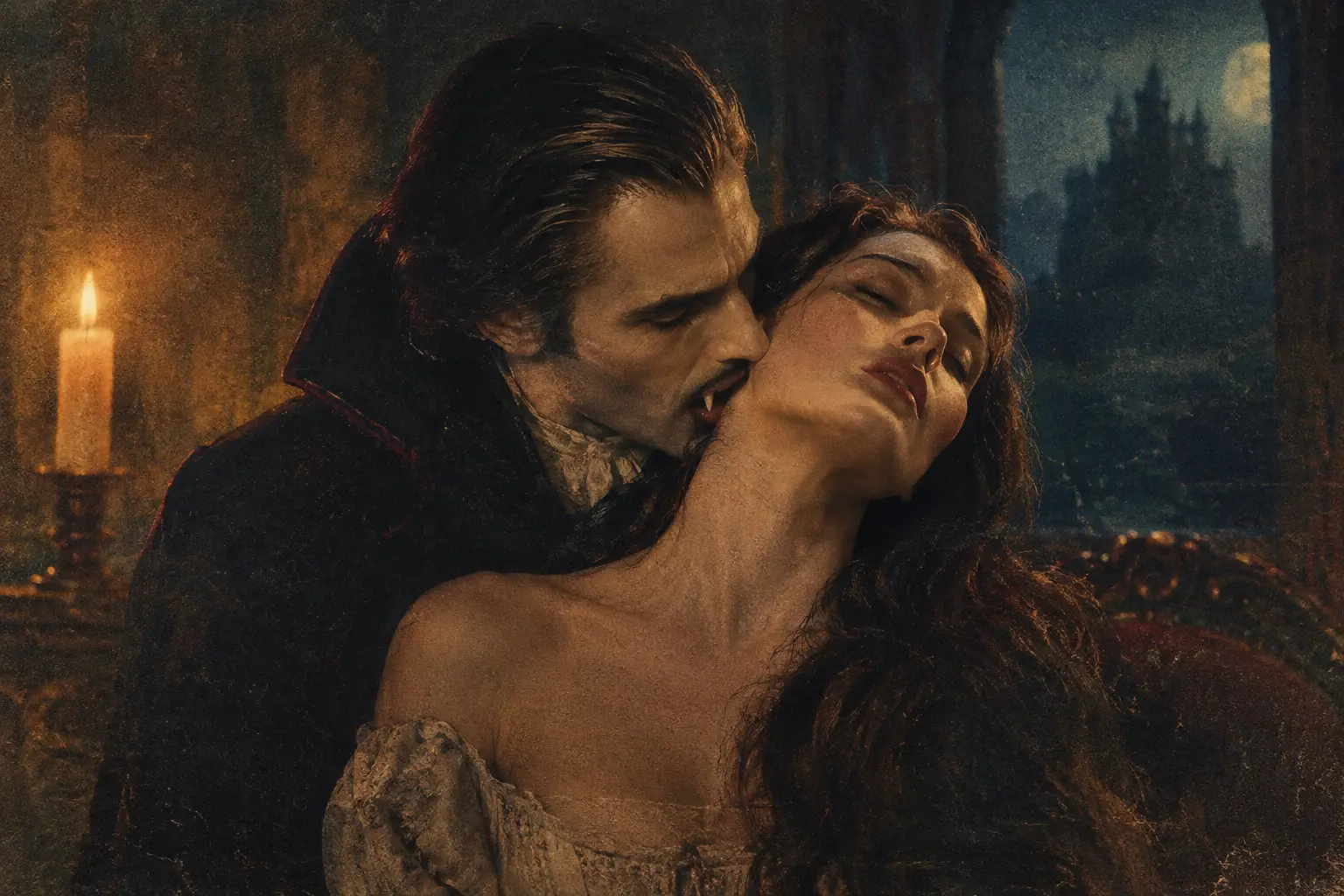
The vampire is too old, too adaptable, and frankly too theatrical to belong to one cape, one castle, or one Transylvanian real estate agent. The most rewarding vampire movies you may have missed tend to understand that. They use blood-drinking not as a shortcut to a jump scare, but as a way to talk about loneliness, desire, class, addiction, colonialism, aging, and the terrible decisions people make after midnight.
This is not an obscurity contest. A film does not become interesting merely because it is dusty, out of print, or was once screened to seven people in a basement theater with a broken exit sign. These are films with a point of view: peculiar, atmospheric vampire pictures that stretch the monster beyond its most familiar coffin-shaped box.
Vampire movies you may have missed are rarely just Dracula
Dracula is a useful ancestor, but he is not the entire family tree. Once filmmakers carried vampirism outside the old European Gothic template, the creature became startlingly elastic. It could haunt a Mexican hacienda, a sleek seaside hotel, a Lower East Side apartment, or a Canadian donut shop. Yes, a donut shop. The vampire contains multitudes, including a late-night craving for glazed pastries.
The titles below work especially well when you want spooky-warm vibes with some real texture behind them. Several are melancholy rather than scary. A few leave the monster’s literal existence wonderfully uncertain. That uncertainty is not a flaw. It is the invitation.
El vampiro (1957)
Mexican horror was not waiting around for Hammer Films to put fangs back in fashion. Fernando Méndez’s El vampiro arrived in 1957, a year before Hammer’s Horror of Dracula, with Germán Robles as Count Karol de Lavud, a pale aristocrat whose presence practically chills the wallpaper.
What makes it essential is its command of Gothic imagery without turning into a museum piece. The movie’s hacienda setting, cobwebbed corridors, and moonlit graveyard tableaux make old-world vampire lore feel at home in Mexican cinema’s own visual language. Robles’s performance is elegantly restrained, closer to a poisonous nobleman than a wild animal. If you love Universal atmosphere but want to see the tradition take a magnificent detour south, start here.
The Vampire Doll (1968)
Toho is rightly remembered for giant monsters, but Michio Yamamoto’s The Vampire Doll proves the studio could make a haunted-house shiver count just as effectively. It was the first entry in Yamamoto’s loose Bloodthirsty trilogy, followed by Lake of Dracula and Evil of Dracula, though each film stands well enough on its own.
This is vampire horror filtered through late-1960s Japanese melodrama: immaculate interiors, grieving faces, an oppressive family home, and a mood of sadness that clings harder than the usual fake cobwebs. Do not come expecting Godzilla with a cape. Come for a delicate, dreamlike cousin to the European Gothic tradition, one that understands a vampire story can be whispered instead of shouted.
Ganja & Hess (1973)
Bill Gunn’s Ganja & Hess is one of American horror’s great acts of refusal. It refuses easy explanation, conventional pacing, and the tidy promise that vampirism must look like imported Gothic. Gunn turns the condition into something spiritual, sensual, painful, and deeply tied to Black American experience.
Its troubled original release included a heavily altered version circulated as Blood Couple, which did no favors to a film already operating on a frequency far stranger than grindhouse marketing could handle. Seen on its own terms, Ganja & Hess is less a standard monster movie than a fevered, poetic meditation on hunger and self-possession. It asks more of you than a Saturday creature feature. It gives more back, too.
Martin (1977)
George A. Romero’s Martin is often cited by horror diehards, yet it still feels criminally absent from ordinary vampire conversations. Perhaps that is because it has no interest in making vampirism glamorous. Its title character is neither a cape-swirling count nor a romantic immortal bathed in candlelight. He is awkward, alienated, and frighteningly mundane.
Romero made the film after Night of the Living Dead and before Dawn of the Dead, and you can feel his skepticism about American life working through every gray, decaying corner. The central question is not simply whether Martin is a vampire. It is what a vampire myth means when old rituals, religion, and family authority have lost their grip. This one is cold steel and November rain, not velvet and roses.
Daughters of Darkness (1971)
Harry Kümel’s Daughters of Darkness is the rare vampire picture where the wallpaper, wardrobe, and silences all seem to be conspiring against you. Delphine Seyrig’s Countess Bathory glides through the film with such exquisite composure that every casual conversation feels like it might require a will and testament afterward.
Its seaside hotel setting is all faded luxury and off-season loneliness, a perfect home for creatures who have had centuries to turn boredom into an art form. Kümel was working in a European art-cinema mode, but the film never loses its monster-movie pulse. Watch it for its chilly color palette and its deliciously measured sense of menace. The fangs are almost beside the point.
Habit (1995)
Larry Fessenden’s Habit brings the vampire story down to street level, where bad judgment, grief, booze, and desire blur together under the sticky lights of downtown Manhattan. Made in the mid-1990s on an independent scale, it has the lived-in roughness of a film that knows its neighborhood rather than merely renting it for the weekend.
The great pleasure here is the ambiguity. Fessenden does not hand you a monster manual and underline the answers in red ink. Instead, the film lets dread grow through behavior, atmosphere, and the unsettling possibility that a supernatural explanation may be easier than confronting a very human collapse. It is vampire horror for anyone who likes their Gothic with cramped apartments and a hangover.
Blood and Donuts (1995)
A vampire waking up in contemporary Toronto and finding work around an all-night donut shop is, on paper, the kind of premise that could go badly wrong with the speed of a dropped stake. Holly Dale’s Blood and Donuts avoids that fate by treating its oddball setup with surprising tenderness.
The film has a gentle, deadpan Canadian charm, but it never mocks its sad, displaced central vampire. Instead, it treats immortality as a condition that can leave someone badly out of step with the century around him. David Cronenberg turns up in a small role, because apparently even Canadian vampire movies must comply with a regional bylaw requiring a Cronenberg appearance. This is a scruffy little midnight movie with more heart than its title initially lets on.
The Vourdalak (2023)
Adrien Beau’s The Vourdalak reaches backward to Aleksey Tolstoy’s 1839 novella The Family of the Vourdalak and finds something gloriously unnerving there. Its central monster is realized with a puppet, a choice that gives the film the tactile, storybook wrongness of an antique folktale come loose from its frame.
That practical approach is not nostalgia for nostalgia’s sake. It makes the vampire feel ancient, physical, and fundamentally incompatible with polished modern horror. The movie’s Eastern European folktale roots also matter: this is a reminder that the vampire was a complicated folk belief long before popular culture made him a tuxedoed seducer with excellent hair. For a dark winter night, it is hard to beat.
Let the vampire get strange again
The next time the familiar coffin lid creaks open, resist the urge to reach automatically for the same handful of titles. Follow the vampire into Mexico City shadows, Tokyo mansions, 1970s art cinema, indie New York, and a very questionable Toronto food-service establishment. The creature has survived this long because it keeps changing shape.
So should our watchlists. Put one of these on when the house is quiet, the lights are low, and you are in the mood for a monster with something more interesting on its mind than eternal youth.


 Prev Post

What do you think?
Show comments / Leave a comment