





 October 30, 2026
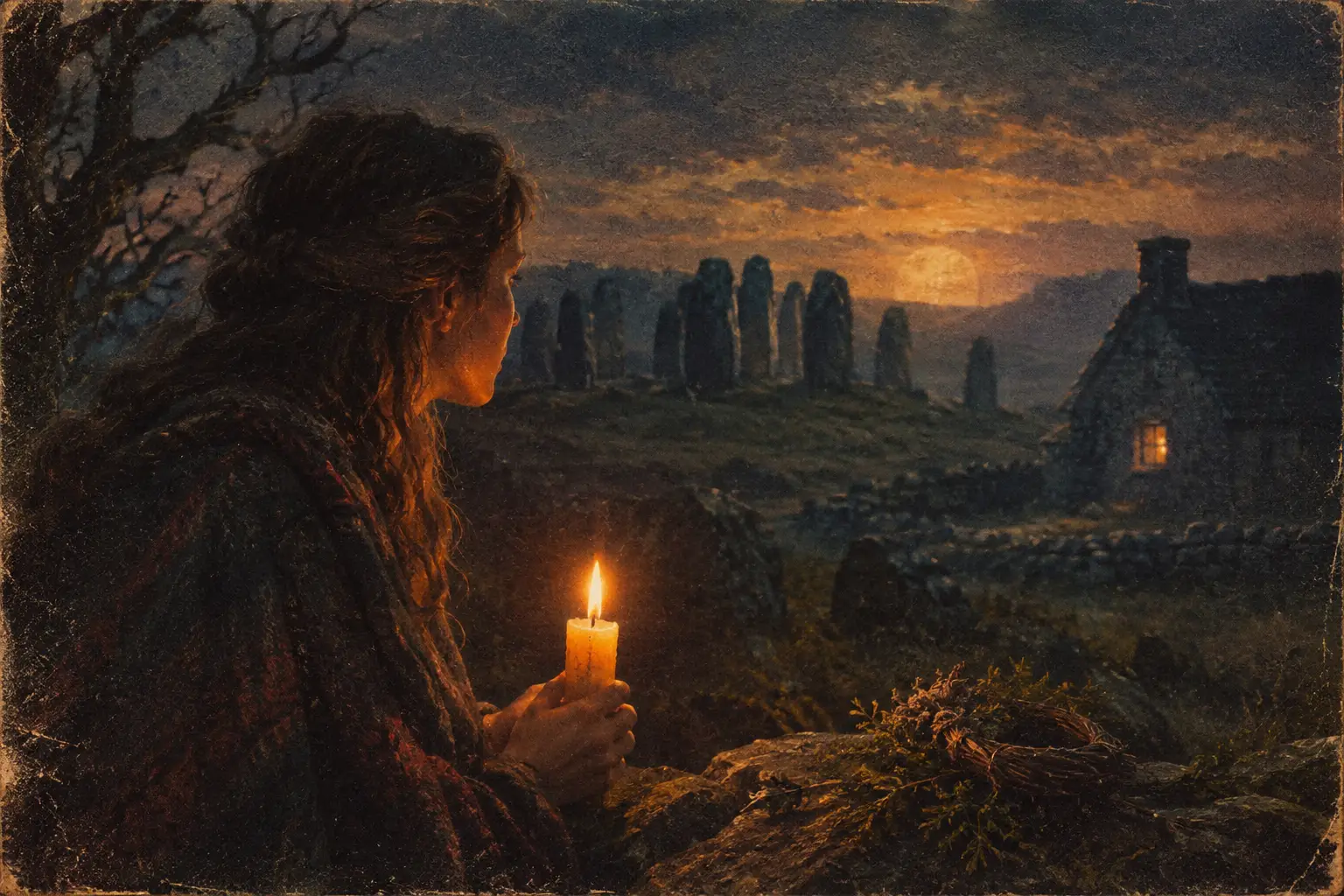
The wrong way to start folk horror is to treat it like a costume party: put on a flower crown, light a candle, wait for somebody in a mask to do something unneighborly. Folk horror movies for beginners work better when you understand the unease underneath the wicker baskets. This is horror about old beliefs refusing to stay politely buried, communities with rules you were not taught, and landscapes that seem to have opinions.
It is also a genre with fuzzy borders. Folk horror is not simply any movie with a witch, a forest, or an unfortunate goat. Its central pressure comes from folklore, ritual, place, and the ugly possibility that modern confidence is a very thin coat of paint. Sometimes the old ways are monstrous. Sometimes the outsiders are worse. Usually, nobody gets to leave with clean shoes.
For a first trip down this particular country lane, do not begin with the most punishing, obscure title you can find. Start with films that teach you the genre’s rhythms: the suspicion, the seasonal atmosphere, the collision between rational people and irrational systems that may not be irrational after all.
What Makes Folk Horror Its Own Peculiar Beast?
The phrase “folk horror” became widely useful after critic Mark Gatiss used it in his 2010 documentary series A History of Horror, describing a loose cluster of British films from the late 1960s and early 1970s. Scholars and fans have since stretched the category across countries and decades, which is fair enough. Horror has never respected tidy filing cabinets.
Still, the classic British template matters. Witchfinder General (1968), The Blood on Satan’s Claw (1971), and The Wicker Man (1973) are often called the unholy trinity, even though they do not all operate in precisely the same way. They share a preoccupation with rural isolation, inherited superstition, social order, and the historical violence hidden inside “tradition.” The past is not a museum exhibit. It has mud on its boots and a knife behind its back.
For newcomers, the key is patience. Folk horror frequently builds dread through songs, ceremonies, odd local etiquette, and details that do not fit. If you want a movie that explains every rule at minute 12, this may feel like being invited to a village fete where no one will tell you why the raffle prize is breathing. But if mood is your thing, few horror modes are more rewarding.
Folk Horror Movies for Beginners: Start With These Six
The Wicker Man (1973)
Robin Hardy’s The Wicker Man is the essential entry point because it is clever, musical, sunny, and increasingly sour in a way that still feels startling. It also corrects a common folk-horror misconception: this genre does not need gray skies and cobwebs. Bright fields, cheerful singing, and a village that seems perfectly welcoming can be far more alarming.
Christopher Lee, eager to move beyond Dracula, plays Lord Summerisle with aristocratic charm and a glint of mischief. Edward Woodward gives the film its stubborn moral center. Their collision makes the movie more than a pagan-spook-show souvenir. It is a confrontation between competing certainties, and the film lets that argument get genuinely uncomfortable.
Choose the 1973 film, not Neil LaBute’s 2006 remake. That is not snobbery. It is basic roadside safety.
The Blood on Satan’s Claw (1971)
If The Wicker Man is folk horror as a polished ritual, Piers Haggard’s The Blood on Satan’s Claw is folk horror as an infected field. Set in 18th-century rural England, it presents superstition not as quaint background color but as something that spreads through a community already primed for fear.
This is a rougher, stranger film than Hardy’s classic, with a fragmented structure that can feel dreamlike or ragged depending on your mood. That is part of its charm. The countryside is not picturesque here. It is a place where labor, religion, puberty, and panic all get tangled together. Give it a little room to be odd. Folk horror should occasionally feel like you found a damaged old storybook in the attic and it found you back.
The Witch (2015)
Robert Eggers’ The Witch is the bridge for viewers who know modern prestige horror but want to trace its roots backward. Its 1630s New England setting, period language, and severe natural world make it feel less like a conventional haunted-house movie than a family being slowly pressed against the hard edge of belief.
The film understands an essential folk-horror truth: isolation changes the temperature of every fear. A religious dispute, a bad harvest, a strange sound in the woods – each becomes enormous when there is no larger community to steady you. Anya Taylor-Joy is excellent, but the real star is the wilderness, behaving like a dark mouth just beyond the fence.
A small warning for beginners: this one is deliberately paced and emotionally grim. Watch it on a quiet night, not while someone is aggressively asking what is happening every four minutes.
Dark Night of the Scarecrow (1981)
Made for CBS television, Frank De Felitta’s Dark Night of the Scarecrow proves that American folk horror does not need a stone circle or a Maypole to get under your skin. Sometimes it needs a small town, an old scarecrow, and local cruelty curdled into something supernatural.
The movie has the clean, direct storytelling of early-1980s television, but it carries a surprisingly mournful heart. Larry Drake brings real tenderness to Bubba Ritter, while Charles Durning makes a frightening case for the everyday authority figure who mistakes power for righteousness. This is a terrific choice if you like your spooky-warm vibes with a little old-TV grain and a deeply earned sense of justice.
It is also an important reminder that folk horror can live in American soil. Our fields have ghosts too. We simply put them near grain silos and told ourselves the neighbors were fine.
Eyes of Fire (1983)
A genuine cult curiosity, Avery Crounse’s Eyes of Fire takes colonial American folklore into the deep woods and lets the landscape become gloriously hostile. It is more ragged than The Witch, made on a much smaller scale, but that homespun quality works in its favor. The film feels unearthed rather than manufactured.
This is the pick for viewers ready to trade polish for atmosphere. Its settlers bring their fears with them, then discover the frontier has fears of its own. The movie draws from American witch legends and frontier anxieties without sanding them into a sleek studio product. Expect some period-film awkwardness alongside imagery that lingers like smoke in old fabric.
The Ritual (2017)
David Bruckner’s The Ritual is a useful final stop because it shows how folk horror migrated into contemporary survival horror without losing its old bones. A group of grieving friends enters a Scandinavian forest, where a regional myth and an isolated community turn the natural world into something far older than their personal problems.
It moves faster than several earlier entries here, making it a friendly option if you want folklore with a little more immediate momentum. But it is not merely a creature feature in hiking boots. The movie connects ancient ritual to modern male grief, shame, and the stories people tell themselves to survive. That emotional thread is what keeps the moss from becoming décor.
How to Watch Folk Horror Without Turning It Into Homework
A good folk-horror watch is less about solving a mystery than noticing a change in weather. Pay attention to who belongs in a place and who does not. Listen for songs, prayers, old sayings, and rules that sound harmless until they do not. Notice whether the landscape offers shelter, judgment, or both.
You also do not have to begin with the British canon in strict historical order. If black-and-white-adjacent austerity sounds like medicine, start with Dark Night of the Scarecrow or The Ritual. If you want the full candlelit experience, go straight to The Wicker Man. If you are drawn to colonial history and Puritan dread, pair Eyes of Fire with The Witch and let the woods do the talking.
The trade-off is simple. The older films may feel less polished, while newer ones can make their folklore more explicit and their scares more familiar. Neither approach is automatically better. Folk horror thrives on texture, and texture is rarely tidy.
Once you have found the flavor you like, follow the thread rather than chasing a checklist. Seek out the haunted field, the suspicious hymn, the village with too much civic pride. Bring a blanket, keep a lamp on if you must, and remember: the old stories were never old because they were harmless.


 Prev Post

What do you think?
Show comments / Leave a comment