





 November 22, 2026
A creature shuffling through a cardboard spaceship, a psychic teenager with too much eyeliner, a scientist making decisions that would fail a basic workplace safety seminar – none of these things automatically make a movie cult cinema. They may make it charming. They may make it magnificently strange. But cult status is not a genre, a budget level, or a polite way to say “bad movie.” It is a relationship.
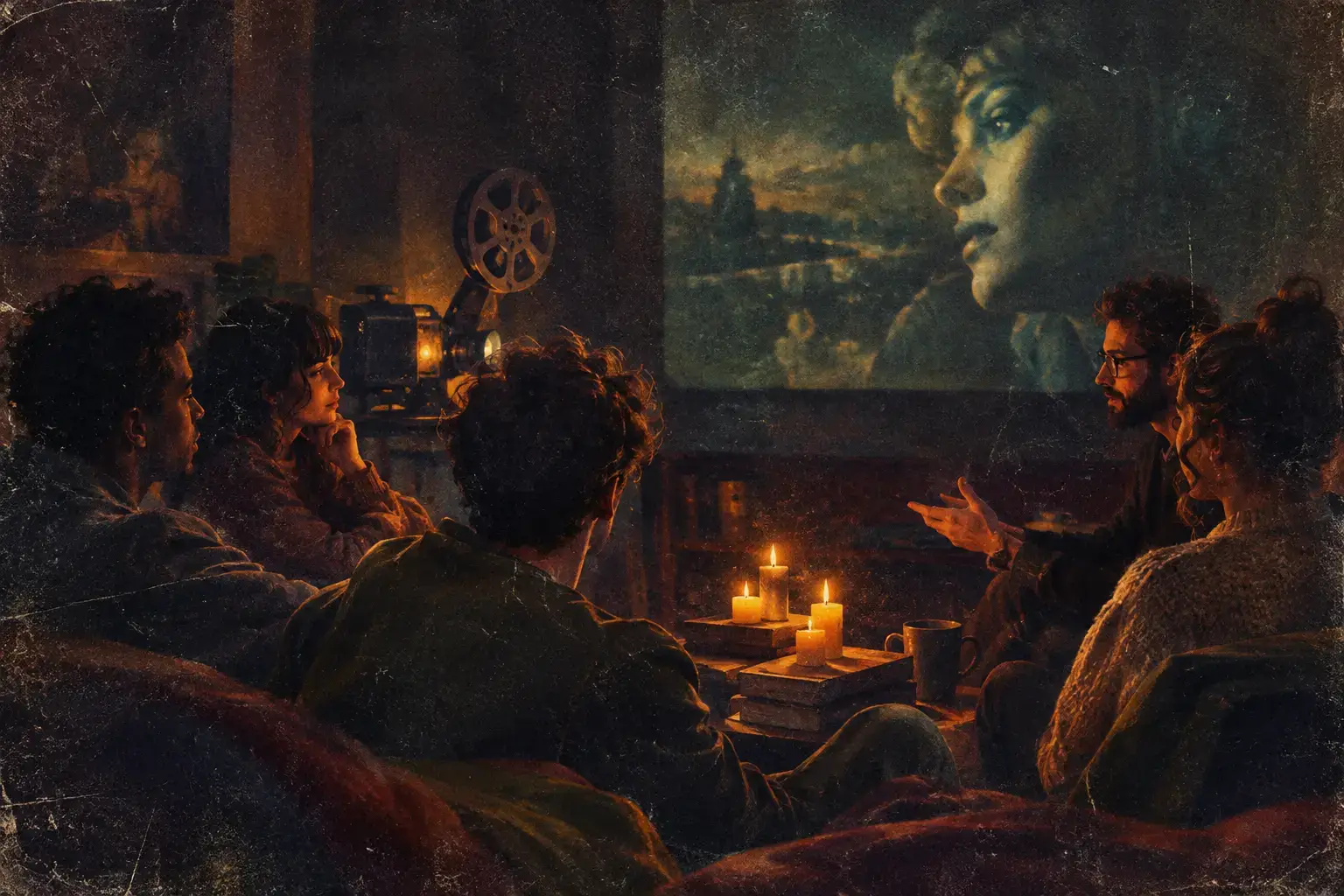
A cult film survives because somebody keeps inviting other people back to it. The invitation might happen at a midnight screening, in the dusty horror aisle of a video store, through a late-night television host, or in a group chat where one friend insists that, no, you really do need to see it with an audience. The movie becomes a shared language. Its oddities stop being defects to explain away and become the very reasons people return.
That distinction matters, especially for horror and science fiction fans. We have spent decades watching studios, critics, and algorithms flatten whole worlds of movies into a few lazy categories: classic, trash, guilty pleasure, cult. Put the labels back in the crypt. The interesting question is not whether a movie is objectively good. It is what kind of devotion it inspires, and why.
Cult Cinema Begins After the Credits
Most movies are made for an opening weekend. Cult cinema is made by its afterlife.
Sometimes that afterlife begins with a commercial disappointment. Tod Browning’s Freaks arrived in 1932 as a major MGM production, then was cut, censored, and treated by many exhibitors as radioactive. Its later reputation was shaped by changing attitudes toward exploitation, disability, outsiders, and the uneasy sympathy the film offers its carnival community. Calling it cult is not a substitute for discussing its complications. Quite the opposite. People continue to argue with Freaks because it refuses to lie still in a tidy museum case.
Other films find their people through a change in venue. Alejandro Jodorowsky’s El Topo became a landmark midnight attraction after opening at New York’s Elgin Theatre in 1970. That run helped define the midnight-movie phenomenon: films viewed not as disposable entertainment but as rituals. Viewers came back. They brought friends. They debated symbols, costumes, violence, mysticism, and whether the whole thing had been sent from another planet in a very stylish hat.
Then there is The Rocky Horror Picture Show, released in 1975 and transformed by audience participation into something larger than the film on screen. Its cultural life cannot be separated from the people in costumes, the callbacks, the local theaters, and the fans who found a welcoming room when the outside world offered less generous options. That is cult cinema in its fullest sense: not solitary consumption, but community practice.
A cult audience does not merely preserve a movie. It adds a second text around it – memories, rituals, arguments, quotations, posters, fanzines, and increasingly elaborate recommendations. The film is the haunted house. Fandom keeps the lights on.
Why Weird Is Not Enough
The easy mistake is to treat cult cinema as a landfill for anything weird, cheap, or poorly reviewed. That is how you get the dreaded “so bad it’s good” shrug, a phrase that often tells us more about the speaker’s lack of curiosity than the movie itself.
Yes, some cult favorites are technically rough. Ed Wood’s Plan 9 from Outer Space has wobbly sets, recycled footage, and Bela Lugosi appearing through the magic of mismatched doubles and editorial wishful thinking. But its endurance is not just a snickering contest. Wood’s sincerity, his thrift-store gothic imagination, and his determination to put cosmic dread on screen with almost no resources all matter. The seams are visible. So is the heart.
Likewise, The Brain That Wouldn’t Die is not beloved because audiences failed to notice its bargain-basement construction. It endures because it has a grimy, deranged energy that polished studio science fiction rarely permits. A disembodied head, a mad surgeon, a monster in the basement – that is not subtlety, certainly. It is also a marvelous little bottle of Atomic Age anxiety, mixed with a splash of drive-in audacity.
Cult films often reveal the constraints that mainstream movies hide. You can see the money running out. You can see a director pushing against a censor, a distributor, a schedule, or common sense. Sometimes the limitations sink the ship. Sometimes they create a style no executive committee would approve. Blessedly.
The Formats That Made Cult Movies
Cult cinema has always depended on access. A film cannot gather disciples if nobody can find it.
In the 1950s and 1960s, television helped make old monsters feel like household ghosts. Local horror hosts introduced Universal chillers, poverty-row shocks, and science-fiction oddities to viewers who had missed them in theaters. For many fans, a movie did not begin with studio logos. It began with a host in a coffin, a bad pun, and the sense that you had been admitted to a secret club.
The repertory theater and the drive-in gave movies another chance at a communal life. Then home video changed everything. VHS let fans pause, rewind, lend, record, and wear out movies that studios had treated as expendable. A strange title could move from a late-night broadcast to a tape copied for three friends, then to a convention table, then to a carefully restored disc release. That path is not glamorous, but neither is a mausoleum, and both can preserve the dead.
Today, streaming has made discovery easier and less accidental. You can find a 1960s Japanese ghost story or a 1970s regional creature feature without waiting for a UHF station to cooperate. Wonderful. Yet something is lost when every title arrives with the same glossy interface and a recommendation engine that thinks “people who watched The Invisible Man also enjoy loud things.” Cult viewing thrives on context. A programmer, host, critic, or friend can tell you why a battered little movie matters before you press play.
Cult Cinema Needs Friction
Not every beloved genre movie should be called cult. A film can be popular, influential, and endlessly rewatchable without belonging to this particular tradition. The word works best when there is a degree of friction between the movie and the culture around it.
Maybe the film was ignored on release. Maybe it offended the wrong people. Maybe it belonged to a subculture that critics did not understand. Maybe its emotional temperature was too peculiar for the market it entered. David Lynch’s Eraserhead, which grew through midnight screenings after its 1977 release, is a fine example. It did not ask viewers to decode it neatly. It offered industrial nightmares, parental terror, and black comedy in a form that felt less like a story than a bad dream with excellent sound design. Its audience did not conquer that strangeness. They made a home inside it.
That is the key. Cult devotion is not always agreement. Fans can recognize a movie’s dated politics, shaky craftsmanship, or genuinely baffling choices and still find value in its atmosphere, ambition, and historical place. Loving old genre cinema does not require pretending every antique is flawless. It requires looking closely enough to understand what it was trying to do, what it accidentally reveals, and why it still has a pulse.
How to Watch Cult Cinema Without Turning It Into Homework
Start with a mood, not a checklist. If you want cozy gothic, follow a trail from Universal’s shadowy laboratories to European castle horrors and regional ghost stories. If you want Atomic Age jitters, seek out films where radiation, mutation, and scientific hubris arrive wearing rubber suits. If your heart belongs to the drive-in, look for regional productions with local landmarks, handmade monsters, and a cast that seems to include the director’s dentist.
Give the film the conditions it asks for. A midnight movie benefits from darkness and company. A threadbare black-and-white chiller may need your phone in another room and a little patience for its pace. You do not have to force affection. If a movie leaves you cold, that is fine. Cult cinema is not a loyalty test administered by a man in a cape.
But when something clicks, follow the thread. Find the earlier films that influenced it, the later filmmakers who borrowed its nerve, and the fans who kept it alive when nobody else was looking. The rewarding part is not collecting titles like action figures. It is realizing that every odd little movie has traveled through time because someone, somewhere, decided it was worth carrying.
On dark winter nights, that is a lovely thing to remember. The monsters endure not because they were perfect, but because we kept making room for them at the table.


 Prev Post

What do you think?
Show comments / Leave a comment