





 September 13, 2026
This September’s Harvest Moon rises on the 26th, four days after the equinox, and it is going to show off. Big, gold, low on the horizon, doing its whole dramatic moonrise routine like it’s got an agent. And somewhere out there, someone is going to make a werewolf joke about it, dead certain they’re referencing ancient, blood-soaked European superstition.
They are not. They are quoting a screenwriter’s fan fiction. And I say that with love, because it’s genuinely one of the greatest cons horror has ever pulled.
The full moon has not been running the werewolf’s schedule since time immemorial. That belief is younger than sliced bread’s more famous cousin, the microwave. It was not whispered around fires by terrified peasants. It was invented, on purpose, by one guy, for one movie, because he needed a plot device with better follow-through than “cursed, vaguely, whenever.”

What Werewolf Folklore Was Actually Up To Before Hollywood Rewrote It
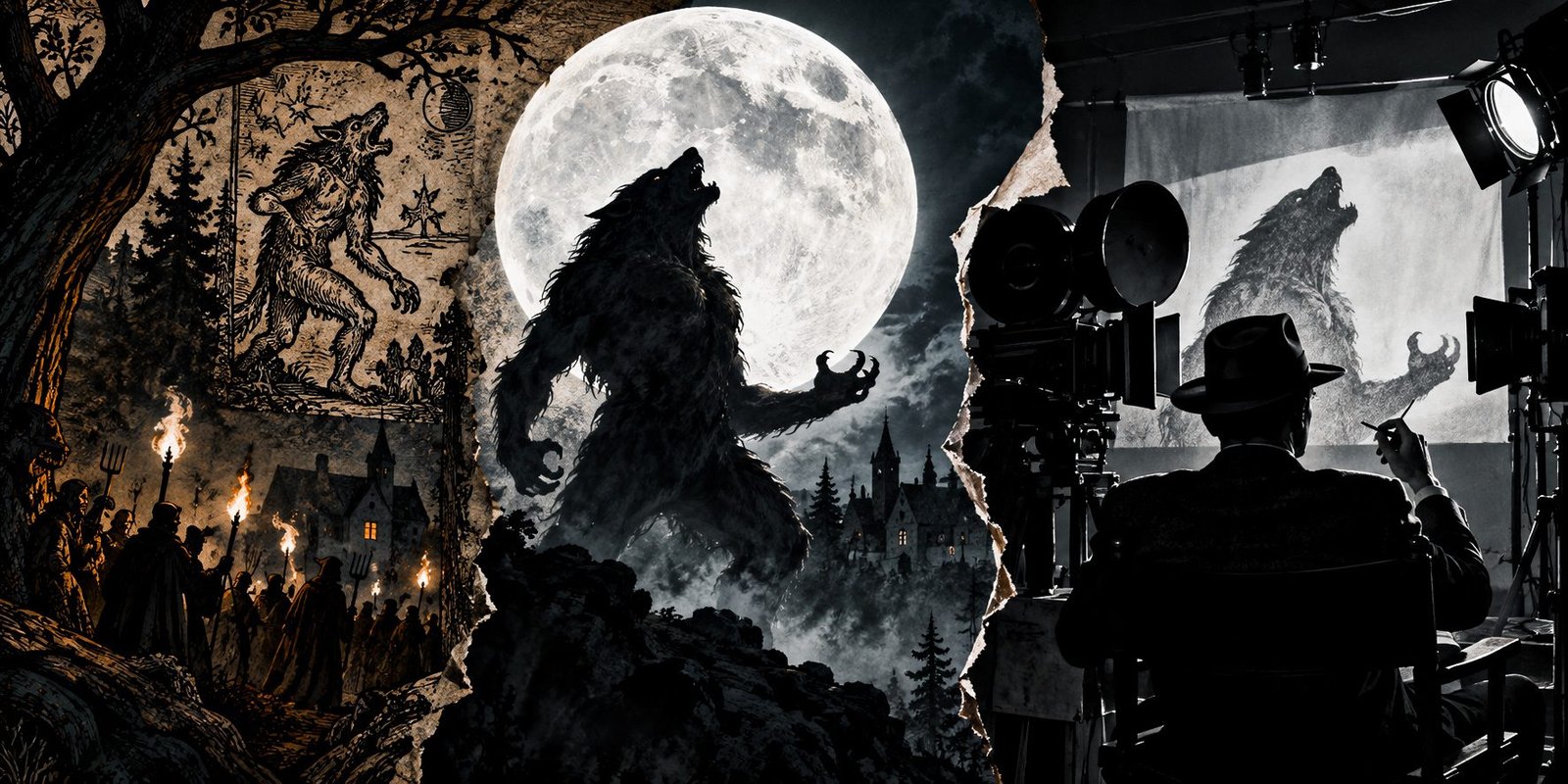
Real werewolf belief is old, ancient Greece and Rome old, and it kept mutating through medieval and early modern Europe into something that reads less like coherent mythology and more like a group project where nobody read the assignment the same way. The “rules” were everywhere and agreed on nothing. Some traditions blamed a pact with the devil. Others said it was contagious, spread bite by bite, a trick vampires and zombies would later shamelessly plagiarize. Some regional beliefs pinned it on wearing a wolf skin, or slathering yourself in an ointment one 17th-century writer breezily described as made “by the instinct of the devil,” a phrase that should really come with a warning label. Being born on the wrong night could do it. Being unbaptized could do it. None of this was standardized, and almost none of it clocked in monthly like a lunar subscription service.
The moon does cameo in a handful of older French accounts. But it was one unhinged relative at a very large, very dysfunctional family reunion, not the one running the show. Werewolf folklore, taken as a whole, was chaos with fangs.
Enter Curt Siodmak, Who Solved Chaos With a Rhyme Scheme
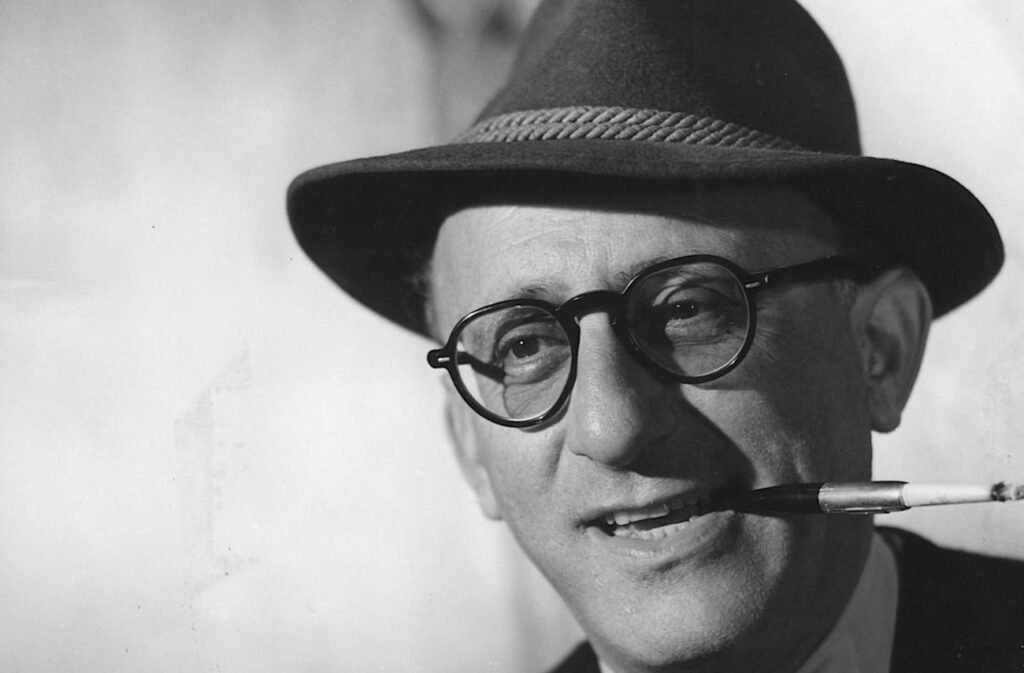
The full moon rule we all treat as gospel traces back to one very real, very specific person: Curt Siodmak, a German Jewish screenwriter who fled Nazi Germany in the 1930s, landed at Universal Pictures, and in 1941 sat down to write The Wolf Man. Faced with centuries of folklore that agreed on nothing, he did what any professional on a deadline does. He ignored the mess and made something better.
The idea got fully welded into pop culture two years later, in the sequel Frankenstein Meets the Wolf Man, thanks to a rhyme so catchy people still swear it’s ancient verse: something about becoming a wolf when the wolfsbane blooms and the moon is full and bright. That couplet did more work for werewolf mythology than a thousand years of actual belief ever managed. It’s tidy. It rhymes. It gives you a rule you can circle on a calendar, which, if you’re building a monster franchise, is frankly better product design than anything folklore came up with organically.
Siodmak wasn’t preserving tradition. He was quietly replacing it with better copy, and the replacement worked so well that the original got fired without anyone noticing the paperwork.

Why This Is a Better Story Than the Fake One, Actually
I know “screenwriter invented a trope” sounds like a footnote you’d skip. It’s not. It’s the whole game. The real folklore was too sprawling and contradictory to survive a ninety-minute runtime, so Siodmak’s job wasn’t historical accuracy; it was narrative efficiency, and he did it so well his invention evicted the truth from the public imagination and changed the locks.
This is the same move behind half the “ancient” monster rules we all take at face value. Vampires and sunlight. The tidy mechanics of a haunting. A curse with a built-in escape clause. These are almost always cleaner, more marketable, and more cinematic than whatever folklore actually believed, because Hollywood wasn’t adapting the mythology. It was quietly becoming the mythology, and taking full credit for someone else’s centuries of legwork.
Meanwhile, the Actual Moon Could Not Care Less
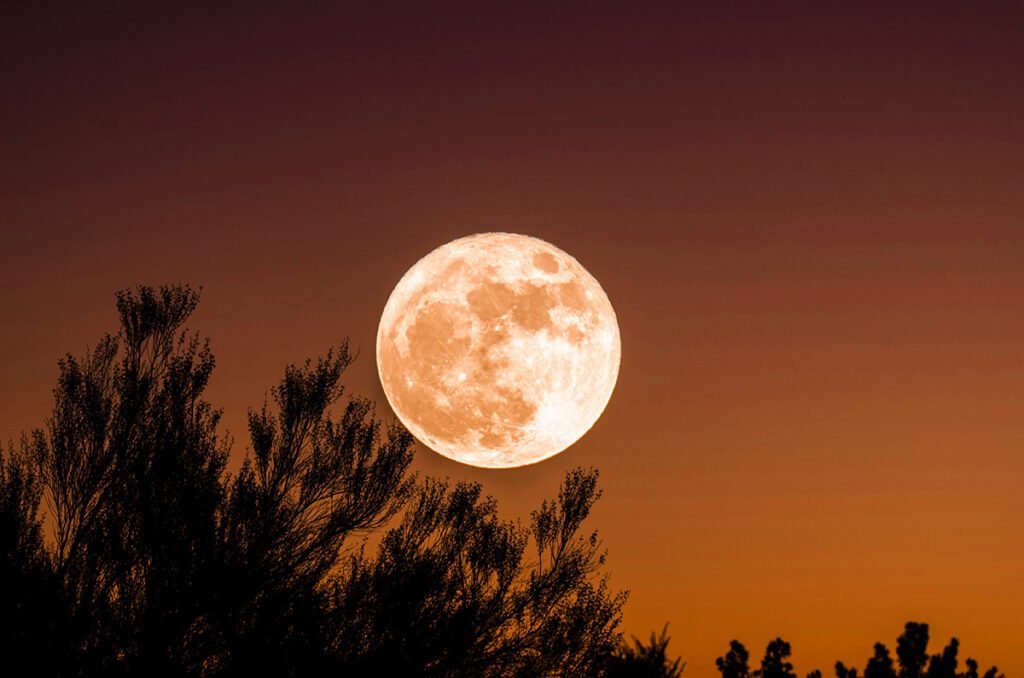
Here’s the part I genuinely love. The real Harvest Moon has nothing to do with any of this. It shows up because of orbital mechanics and the timing of the equinox, exactly as it has for far longer than werewolves have existed in any form, folkloric or fictional. It’s not clocking anyone’s curse. It was busy doing an actual job, lighting fields for farmers racing the frost, long before a screenwriter needed a dramatic deadline to hang a transformation on.
So this year, when that Harvest Moon rises low and gold on the 26th, you get to hold two facts at once and feel insufferably well-informed about it. The moon itself: ancient, useful, magnificently unbothered by monster movies. And the myth stacked on top of it: less than a century old, better written than the folklore, and somehow more convincing than the truth ever was.
Did that reveal wreck your whole werewolf worldview, or were you already smug about knowing it? Either way, tell me which werewolf movie sold you on the myth hardest, because Siodmak’s estate deserves the royalties.


 Prev Post
What do you think?
Show comments / Leave a comment