





 April 27, 2026
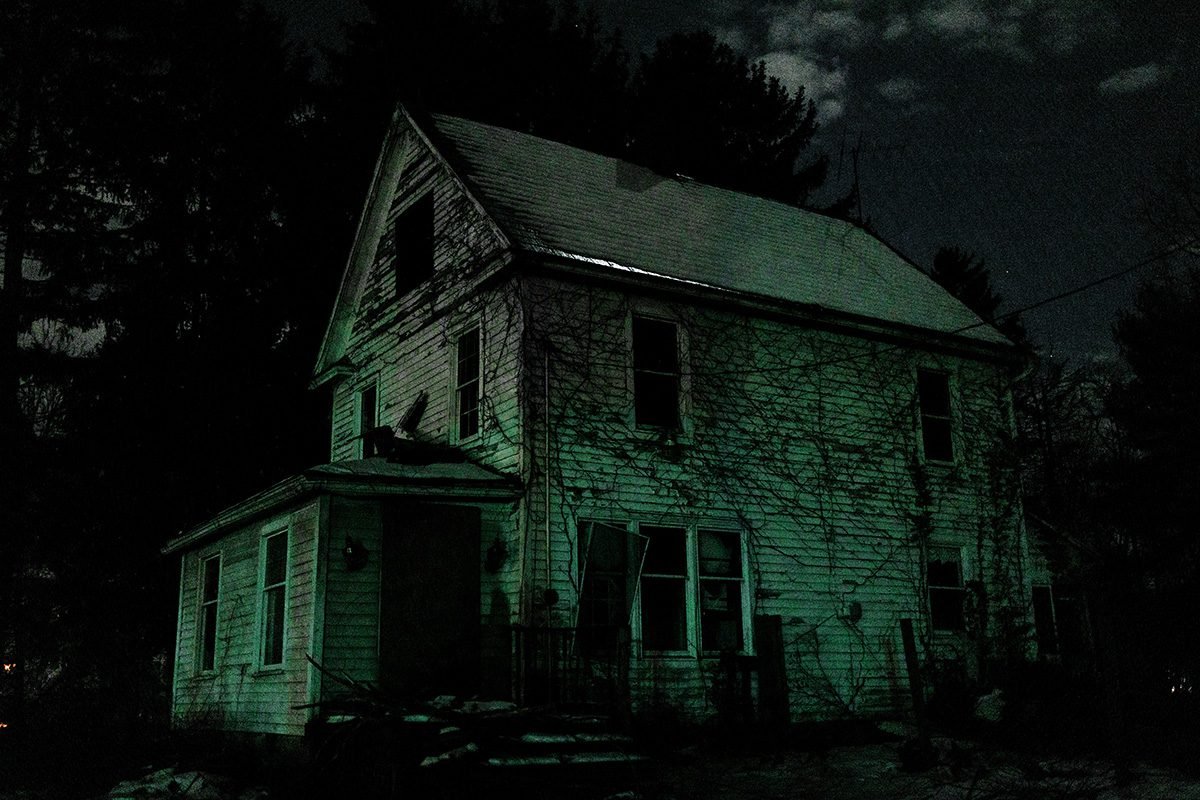
Some Houses Don’t Let Go
There’s a specific kind of fear that only exists inside a house.
Not the fear of something chasing you.
Not the fear of something hiding in the dark.
Something quieter.
The feeling that the walls remember.
That the air is heavier in certain rooms.
That something happened here… and never really left.
In horror, houses aren’t just settings.
They’re witnesses.
They’re containers.
Sometimes… they’re the monster.
Why Haunted Houses Feel So Personal
We don’t just live in houses.
We fill them.
With routines.
With arguments.
With laughter.
With grief.
That’s what makes haunted house horror different from other subgenres. The fear isn’t coming from somewhere unknown.
It’s coming from something that used to feel safe.
A haunted house is terrifying because it betrays familiarity.
The Haunting — A House That Breathes
Hill House doesn’t need ghosts to feel alive.
The walls bend.
The doors pulse.
The architecture itself feels… wrong.
The horror isn’t what’s inside the house.
It’s the house itself.
It watches. It reacts. It isolates.
And it slowly begins to understand the people trapped inside it.
The Others — Grief That Won’t Leave
This isn’t just a ghost story.
It’s a story about denial.
The house in The Others feels quiet, controlled, almost frozen in time. Curtains stay closed. Light is restricted. Movement is careful.
It feels like a place where something is being avoided.
And that’s exactly what it is.
The haunting isn’t separate from the characters.
It is them.
Hereditary — A Home Filled With Trauma
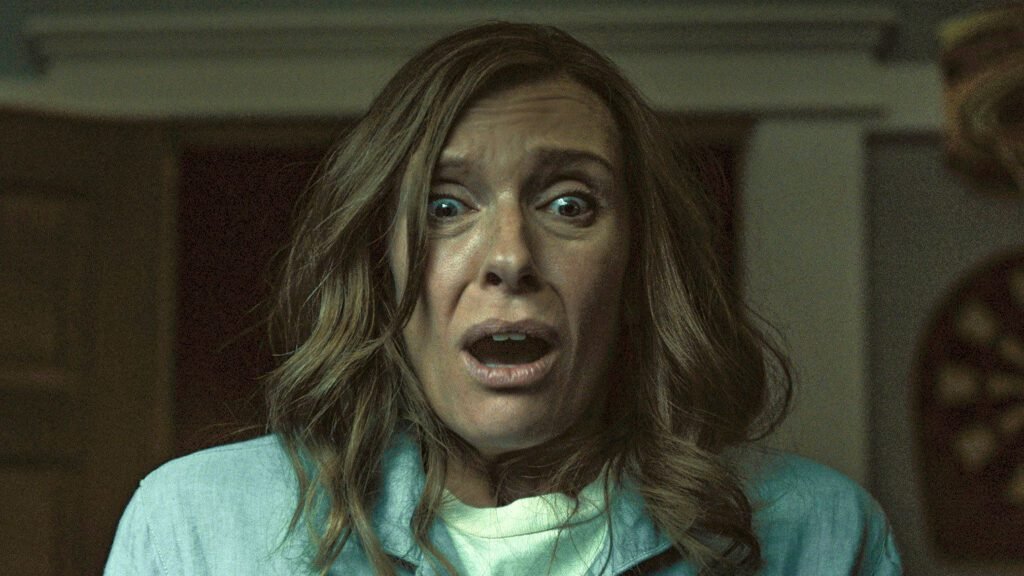
Some houses don’t need ghosts. They’re already full.
In Hereditary, the home becomes a reflection of generational trauma. Every room feels staged, like a dollhouse — controlled, observed, and deeply unsettling.
Nothing feels natural.
Everything feels inherited.
The house doesn’t just hold memories.
It traps them.
Poltergeist — When Suburbia Cracks Open
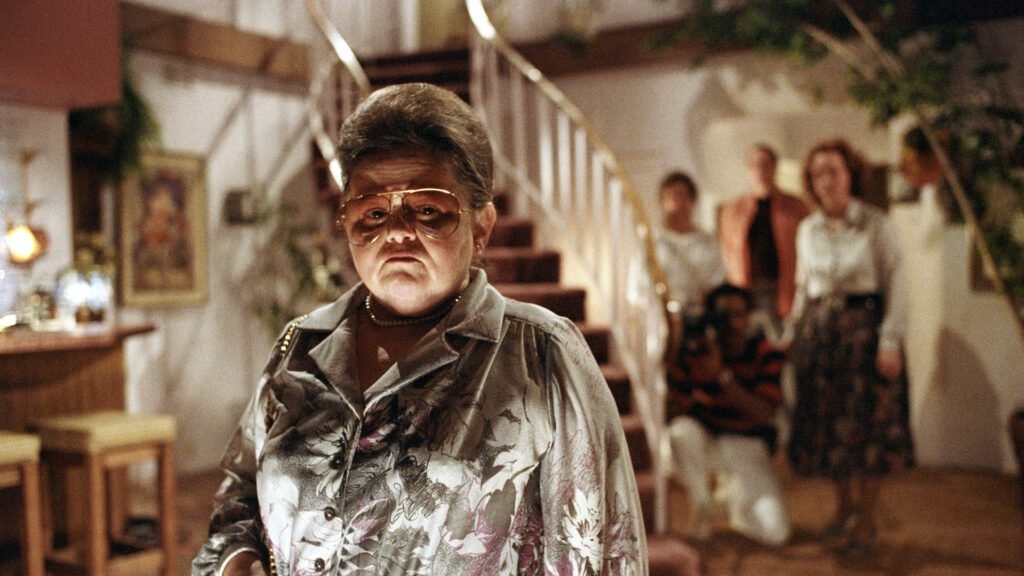
Bright lights. Clean streets. A perfect family home.
And then something pushes through.
Poltergeist takes the most familiar version of home and fractures it. The television becomes a doorway. The closet becomes something else entirely.
It reminds us that safety is often an illusion.
That even the most ordinary spaces can become something unrecognizable.

Crimson Peak — The House That Bleeds
Some houses don’t just remember.
They bleed.
Allerdale Hall isn’t just haunted — it’s decaying, collapsing, revealing itself piece by piece.
The walls literally seep red clay.
The structure itself feels wounded.
This is horror as architecture — where the building reflects everything its inhabitants tried to hide.
Why Houses Become Monsters
Let’s ground this clearly:
Haunted houses work because they represent:
Memory
Every room holds something.
Time
The past never fully leaves.
Emotion
Grief, anger, love — all embedded into space.
Control
You can’t escape something you live inside.
The Real Fear: You Can’t Leave Yourself
The most unsettling part of haunted house horror isn’t the ghost.
It’s the idea that the house reflects you.
Your past.
Your choices.
Your pain.
You can leave a building.
But you can’t leave what you brought into it.
Why We Keep Coming Back to These Stories
Because haunted house horror isn’t just scary.
It’s relatable.
We all have spaces that feel different:
- childhood homes
- old bedrooms
- places tied to memory
Horror just pushes that feeling further.
It asks:
What if those places remembered you, too?
Some Doors Stay Open
Not every haunting is violent.
Some are quiet.
A shift in the air.
A sound in another room.
A feeling you can’t explain.
Houses don’t need to chase you.
They just need to hold onto something long enough…
that it starts to hold onto you.


 Prev Post