





 December 30, 2025
Winter horror rarely explodes.
It settles.
It seeps into the bones. It lingers in silence. It waits patiently while everything else slows down. Unlike the sweaty panic of summer slashers or the electric paranoia of autumn hauntings, winter horror understands something far more unsettling: death does not always arrive screaming. Sometimes it arrives quietly, wrapped in snow.
In horror cinema, winter is not just a season. It is a state of being. A metaphor for endings, emotional hibernation, decay, and the eerie stillness that follows loss. Bodies freeze. Landscapes empty. Characters withdraw inward. The world pauses, but dread does not.
This is the domain of winter horror symbolism, where fear isn’t violent or fast. It is patient. It endures.
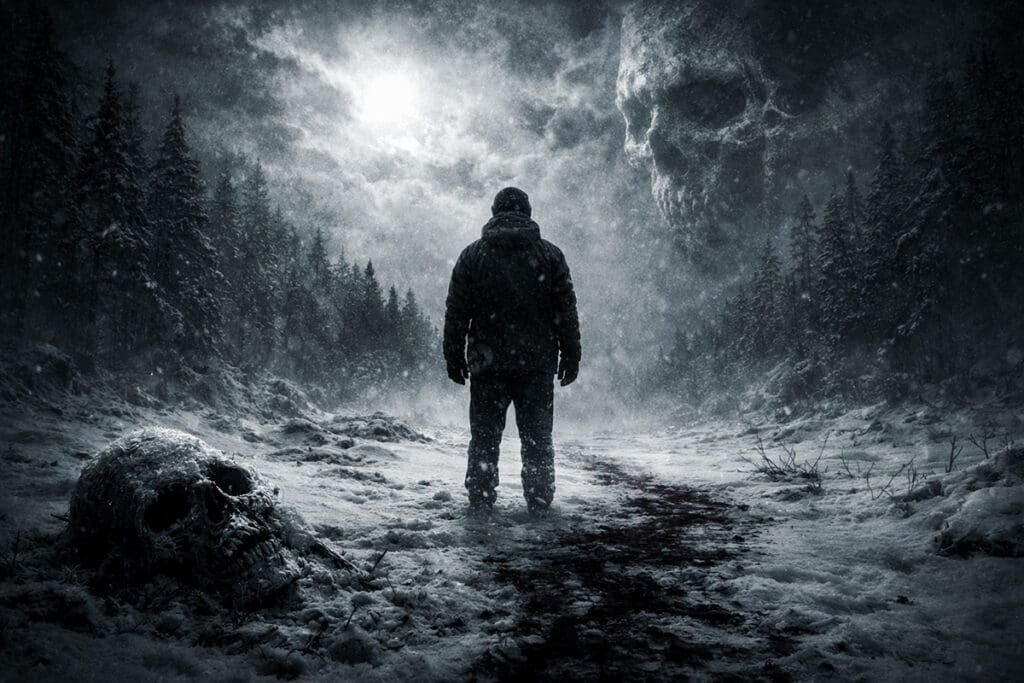
Why Winter Is Horror’s Most Existential Season
Across cultures, winter has always represented death without finality. Fields lie dormant. Trees appear dead but are not. Life retreats underground, waiting for conditions to change.
Horror understands this symbolism instinctively.
Winter horror films often revolve around:
Dormancy instead of destruction
Stillness instead of chaos
Emotional paralysis instead of explosive terror
This is horror concerned with what happens after the scream.
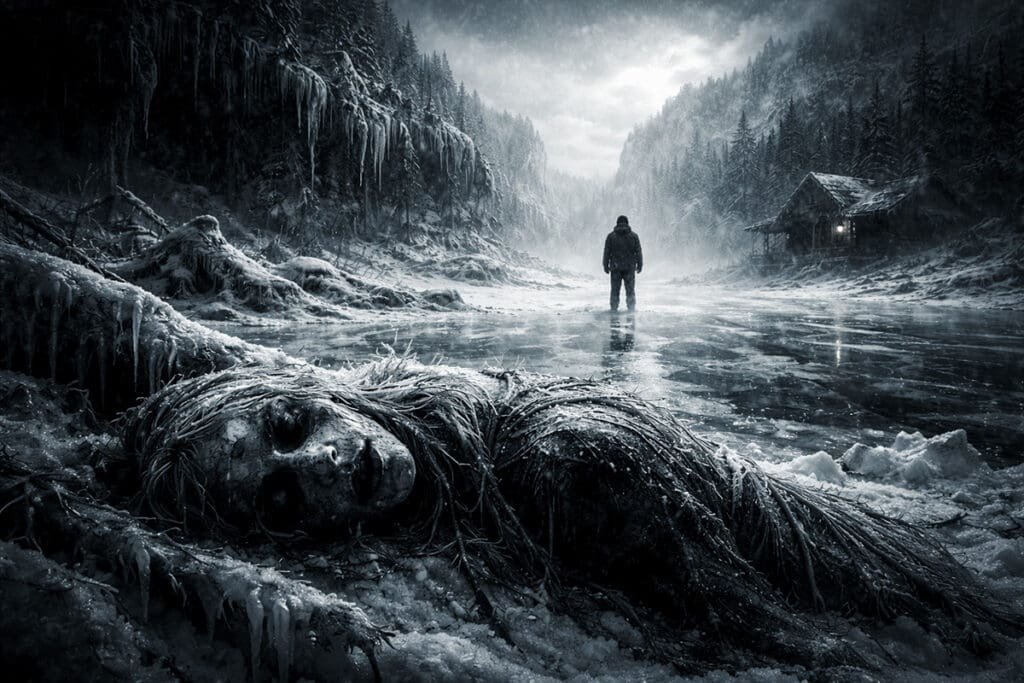
Frozen Landscapes as Emotional States
Snow-covered settings are rarely neutral in horror. They mirror internal collapse.
❄️ Isolation
Snow removes escape routes. Roads disappear. Communication fails. Characters are left alone with themselves.
❄️ Preservation
Cold preserves bodies, memories, trauma. Nothing rots quickly. Nothing disappears.
❄️ Silence
Winter muffles sound, allowing dread to grow in the absence of noise.
These elements combine to create horror that feels slow, introspective, and unavoidable.
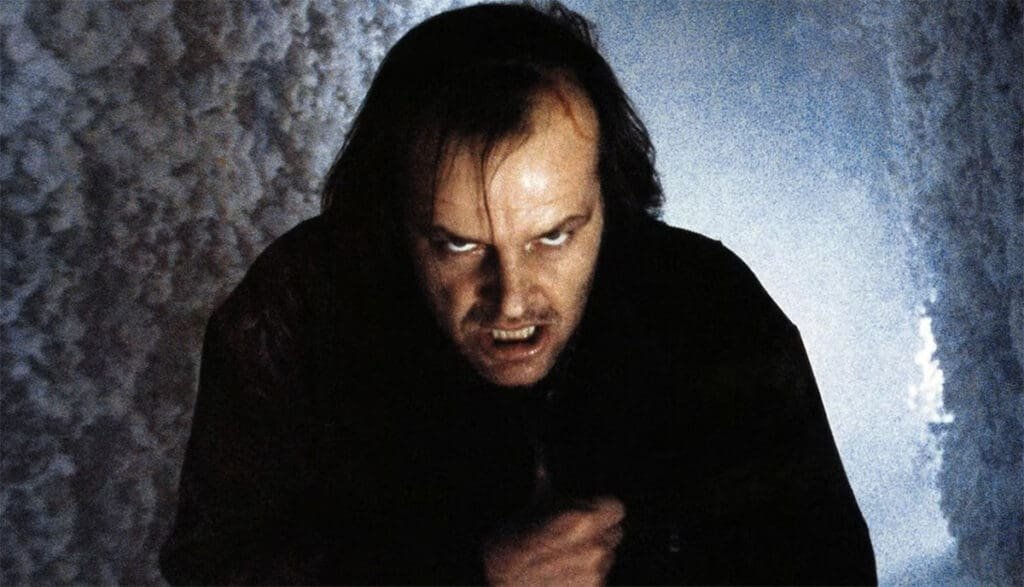
The Shining — Winter as Psychological Decay
Stanley Kubrick’s The Shining remains one of cinema’s most enduring examples of winter as a metaphor for mental collapse. The Overlook Hotel is not merely snowbound. It is cut off from time.
As the blizzard seals the Torrance family inside, Jack’s identity erodes. His sense of self freezes, fractures, and ultimately shatters. The hotel does not drive him mad. It simply removes the warmth that kept his fractures hidden.
Winter here represents:
Emotional isolation
Cyclical violence
The idea that some spaces remember us better than we remember ourselves
The famous final image — Jack frozen solid in the maze — is not a death scene. It is stasis. A man preserved in the moment he stopped being human.
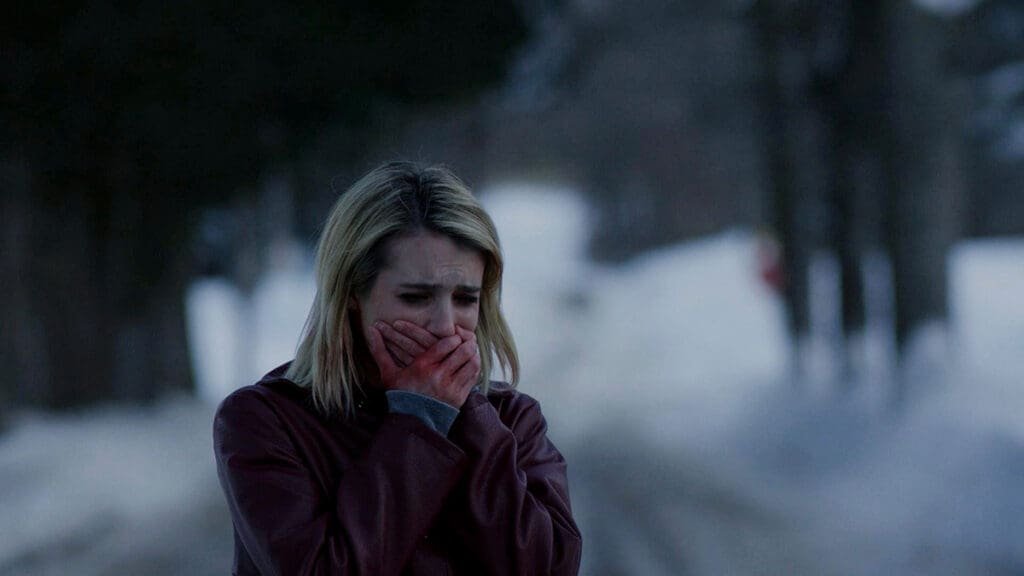
The Blackcoat’s Daughter — Dormancy, Grief, and Spiritual Cold
If The Shining is about madness boiling beneath snow, The Blackcoat’s Daughter is about grief that has already frozen.
Set at an empty boarding school during winter break, the film unfolds in near silence. Snow blankets the grounds. Hallways echo. The world feels abandoned — not violently, but intentionally.
Here, winter symbolizes:
Emotional numbness
Spiritual vacancy
The slow rot of unresolved grief
Nothing rushes in this film. The horror waits, just like the cold. By the time violence occurs, it feels inevitable — not shocking. The real terror is how long the characters have already been empty.
Antichrist — Nature, Decay, and Emotional Hibernation
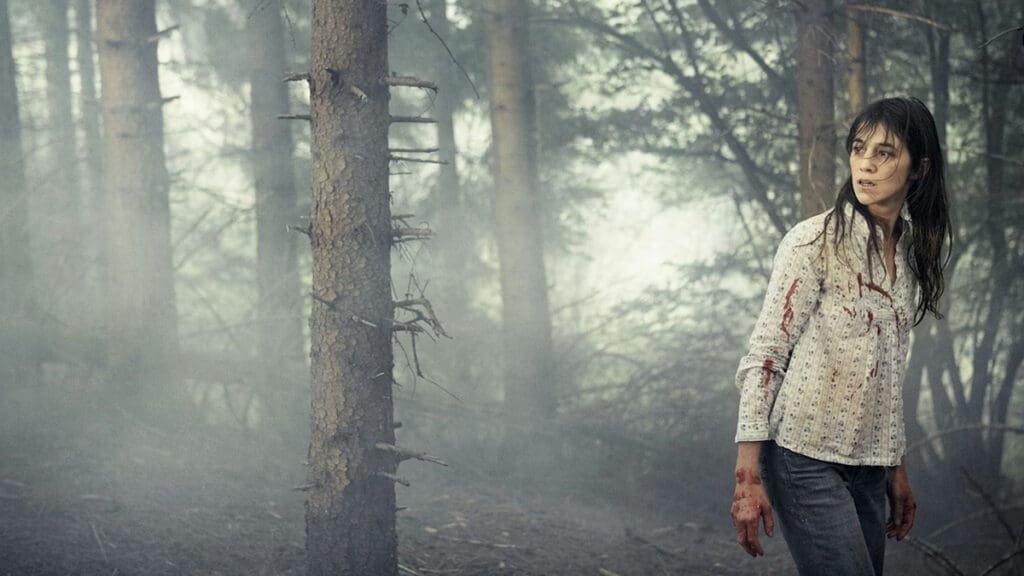
Though not traditionally categorized as a “winter horror film,” Antichrist is steeped in winter symbolism. The forest is cold. The emotional landscape is colder.
Grief freezes the film’s characters. Time stretches. Decay becomes internal. Winter here is not about weather, but about emotional stasis — the inability to move forward after trauma.
In winter horror symbolism, decay does not always mean rot. Sometimes it means stillness so prolonged it becomes destructive.
The Night Eats the World — Frozen Time After the End
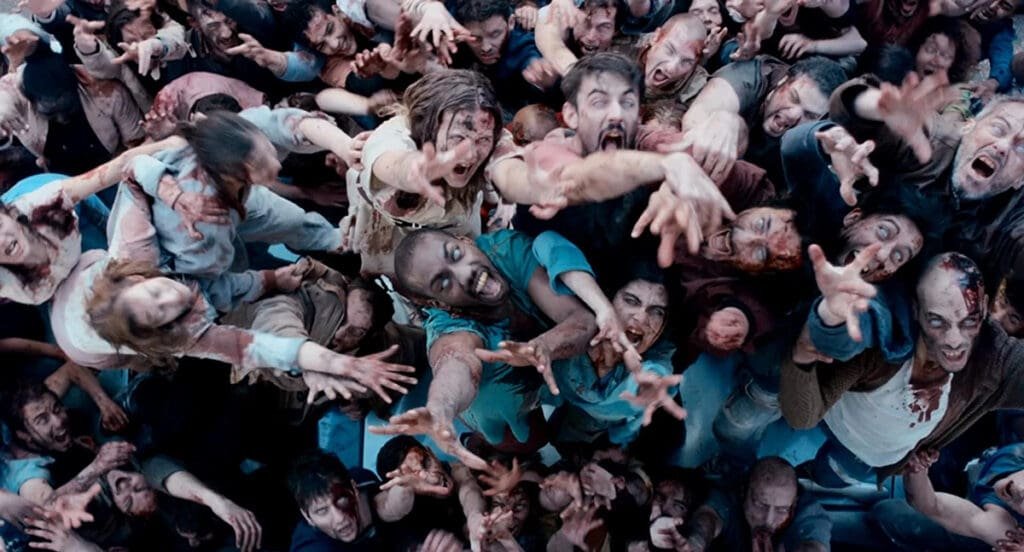
Zombie films are often chaotic. The Night Eats the World chooses something stranger: quiet.
The apocalypse has already happened. The protagonist wanders through a silent, abandoned Paris, emotionally frozen. Survival becomes routine. Loneliness becomes normal.
This is winter horror logic applied to an apocalyptic narrative:
After devastation comes stillness
After panic comes numbness
After death comes waiting
The horror isn’t the zombies. It’s the realization that survival does not guarantee meaning.
Pontypool — Language, Contagion, and Cold Transmission
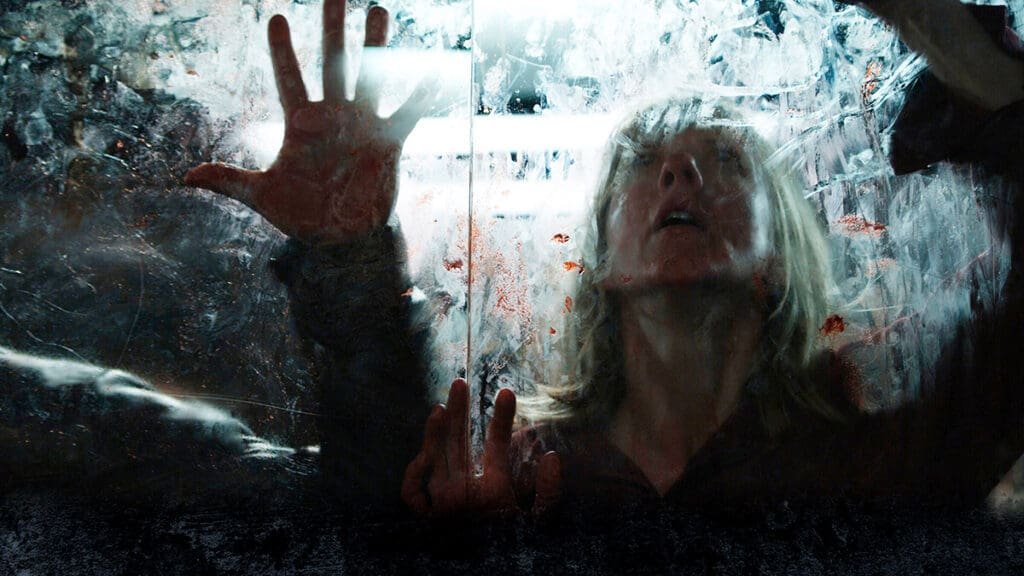
Set during a snowstorm, Pontypool traps its characters inside a radio station while a linguistic virus spreads outside. The cold prevents clarity. Information arrives distorted.
Winter here symbolizes:
Breakdown of communication
Fear spreading quietly
Infection without spectacle
The threat moves through words, not bodies. Like frostbite, you don’t feel it until it’s already too late.
Winter Horror and the Fear of Dormancy
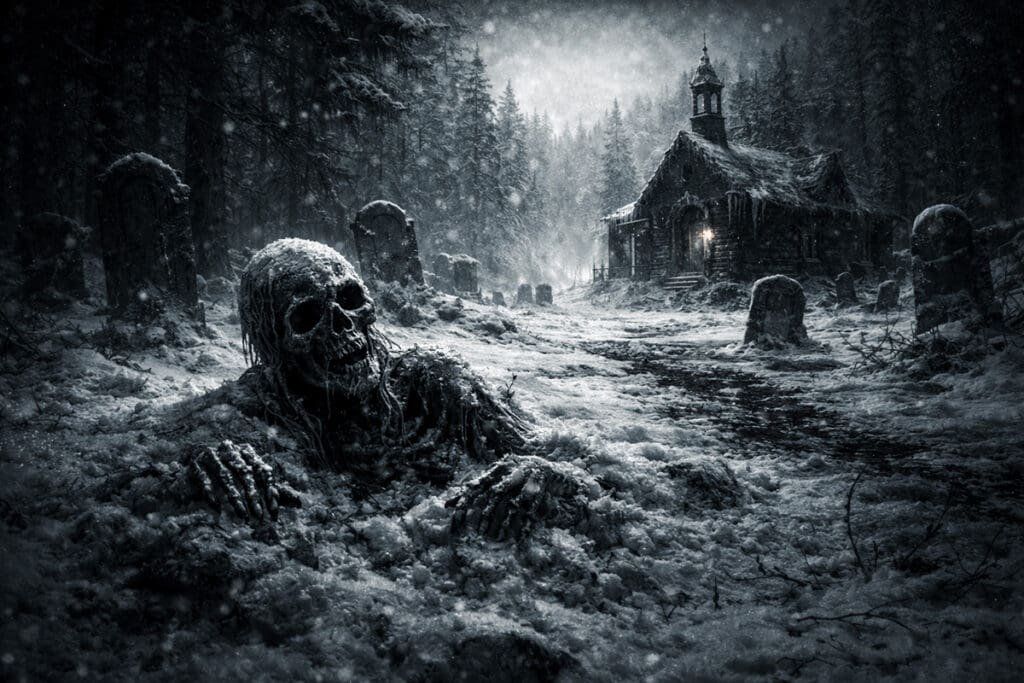
Perhaps the most unsettling aspect of winter horror is its suggestion that endings are not always definitive. Winter is not death. It is suspension.
Characters in winter horror often exist in limbo:
Not fully alive
Not fully gone
Emotionally paused
This reflects a very human fear: what if nothing changes?
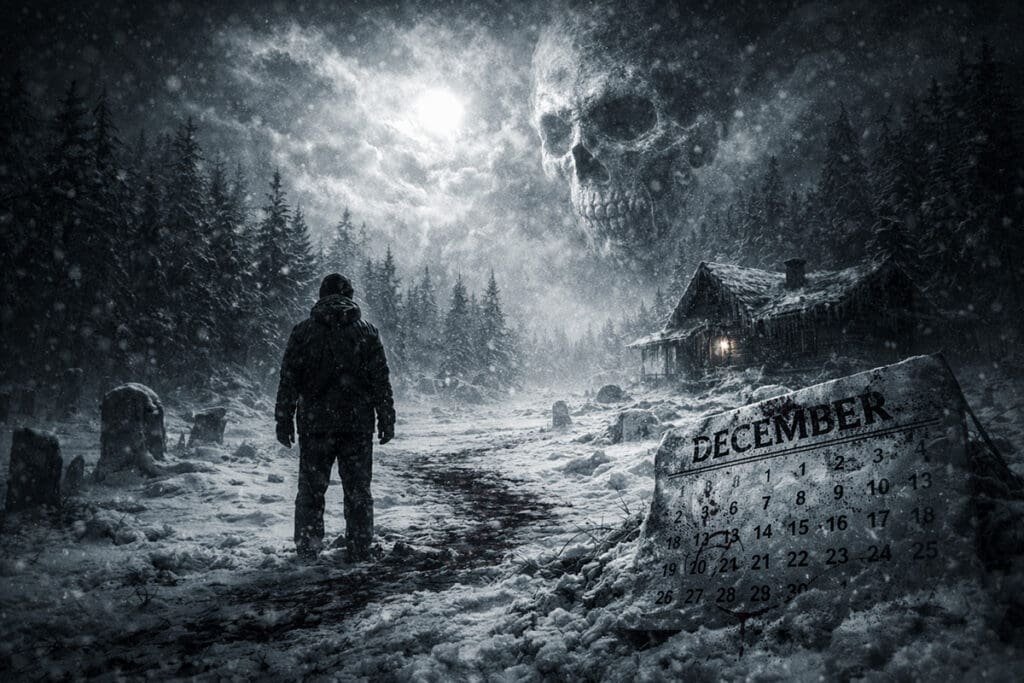
Why Winter Horror Resonates in December
December is marketed as warm, joyful, and bright — but many experience it differently. Grief resurfaces. Loneliness sharpens. The year closes quietly.
Winter horror gives shape to those feelings.
It allows viewers to sit with:
Emotional heaviness
Quiet dread
Unresolved endings
In this way, winter horror is not nihilistic. It is honest.
The Cold Never Dies
Winter horror does not scream. It whispers.
It understands that decay can be beautiful. That stillness can be terrifying. That death does not always arrive with violence — sometimes it arrives as waiting, as silence, as something that refuses to end.
Snow covers the ground, but it does not erase what lies beneath.
And neither does horror.


 Prev Post