





 April 7, 2026
They Were Never the Real Villain
We’re taught very early on how to watch horror.
You’re supposed to fear the monster.
You’re supposed to root against it.
You’re supposed to survive it.
But horror has always had a secret.
Sometimes…
the monster isn’t the villain at all.
Sometimes the most terrifying thing in the room isn’t the creature lurking in the shadows…
It’s the people holding the torch.
What Is a “Sympathetic Monster”?
Let’s define it clearly for the algorithm and the humans.
A sympathetic monster in horror is a creature or being traditionally framed as “the threat,” but who is written or portrayed in a way that evokes empathy, emotional understanding, or even identification from the audience.
These characters are often:
- Outsiders
- Misunderstood
- Created rather than born
- Feared before they are known
- Punished simply for existing
And more often than not…
they’re reacting, not initiating.

The Original Outsider
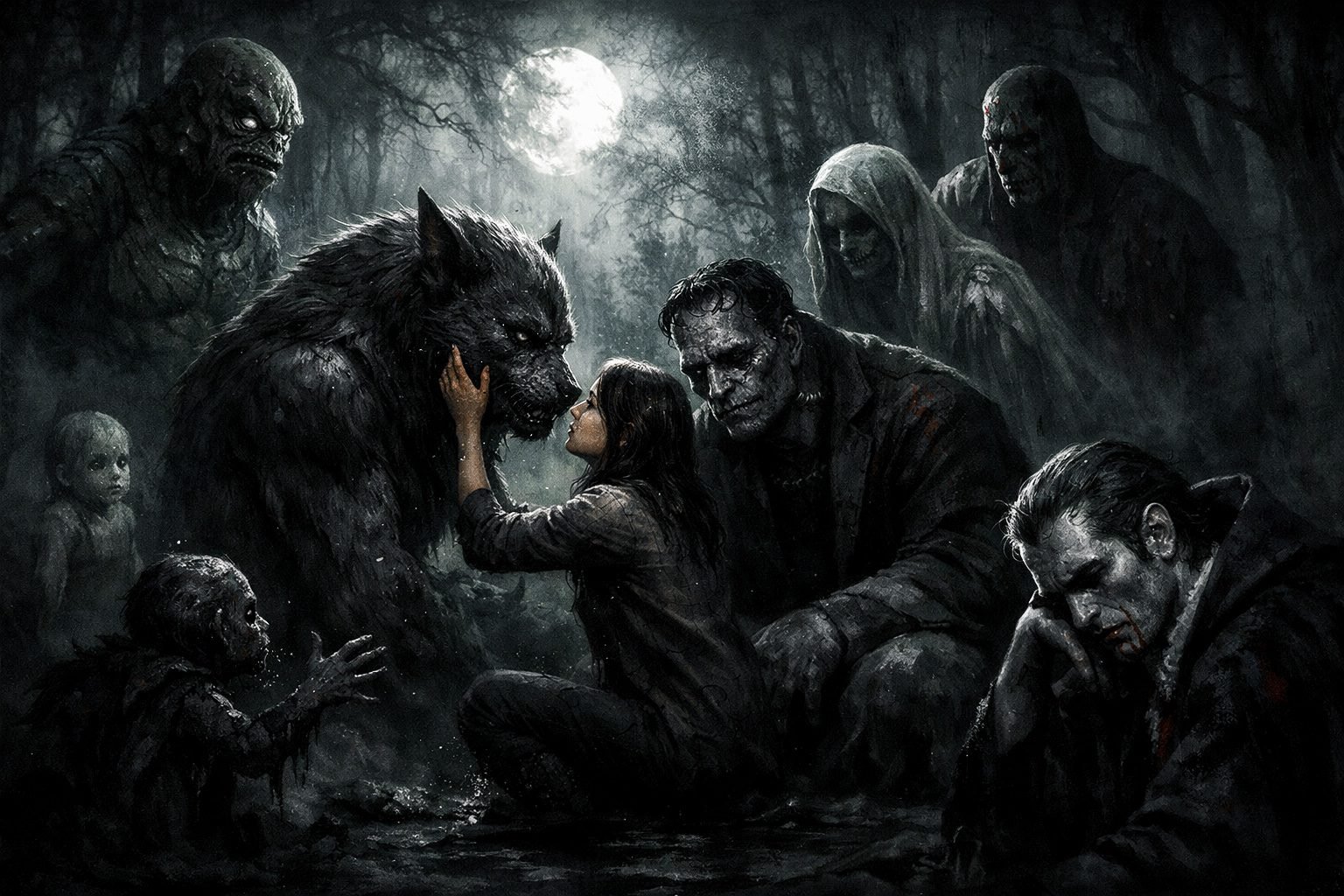
Frankenstein — The Monster Who Just Wanted to Belong
If Cafe Crashdown has a patron saint, it’s this one. The creature in Frankenstein is not born evil. He is made… abandoned… and then taught, very quickly, what the world thinks of him.
Every act of violence that follows is rooted in:
- rejection
- confusion
- loneliness
He doesn’t understand cruelty until it’s done to him first.
And that’s what makes him devastating.

Beauty, Fear, and the Shape of Love
The Shape of Water — The Creature as Connection
Guillermo del Toro doesn’t just humanize the monster. He centers it. The amphibious man isn’t the threat. He’s the only character who doesn’t lie, dominate, or destroy.
The real horror comes from:
- control
- power
- dehumanization
The monster becomes the most emotionally honest presence in the film.
The Body as a Battlefield
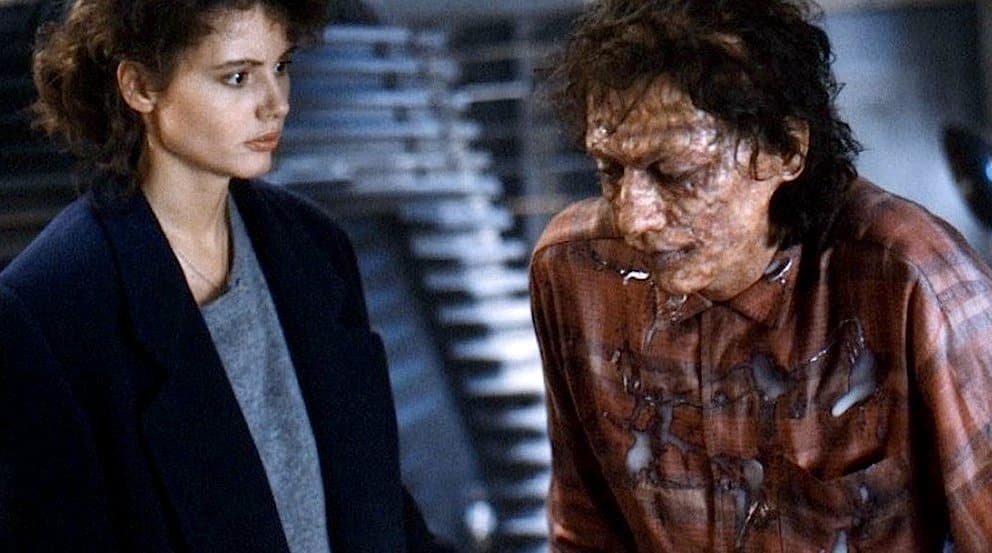
The Fly — Transformation as Tragedy
This is where horror gets personal. Seth Brundle doesn’t become a monster overnight. He deteriorates. Slowly. Painfully. Inevitably. The horror isn’t just what he becomes. It’s that he’s aware of it.
And that awareness turns the film into something deeply human:
- fear of illness
- loss of identity
- watching yourself disappear
Monsters Created by Society
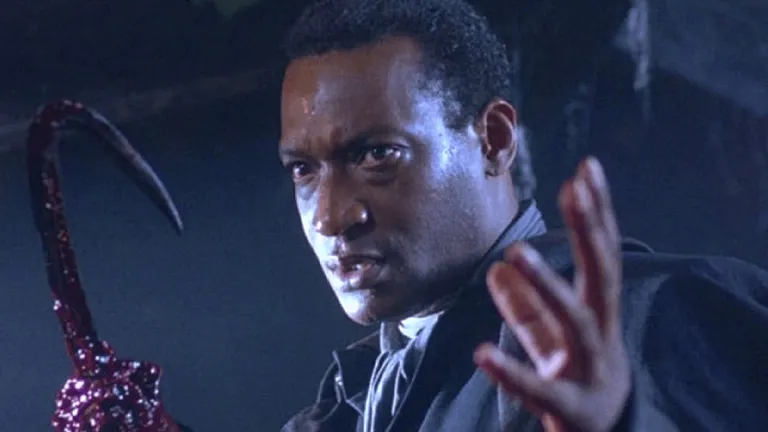
Candyman — Myth, Memory, and Pain
Candyman isn’t just a ghost story.
He’s a manifestation of:
- racial trauma
- collective memory
- injustice turned legend
He is both victim and myth. Feared, yes. But also… remembered. And that duality makes him far more complex than a typical slasher.
The Ones Who Never Asked to Be This Way
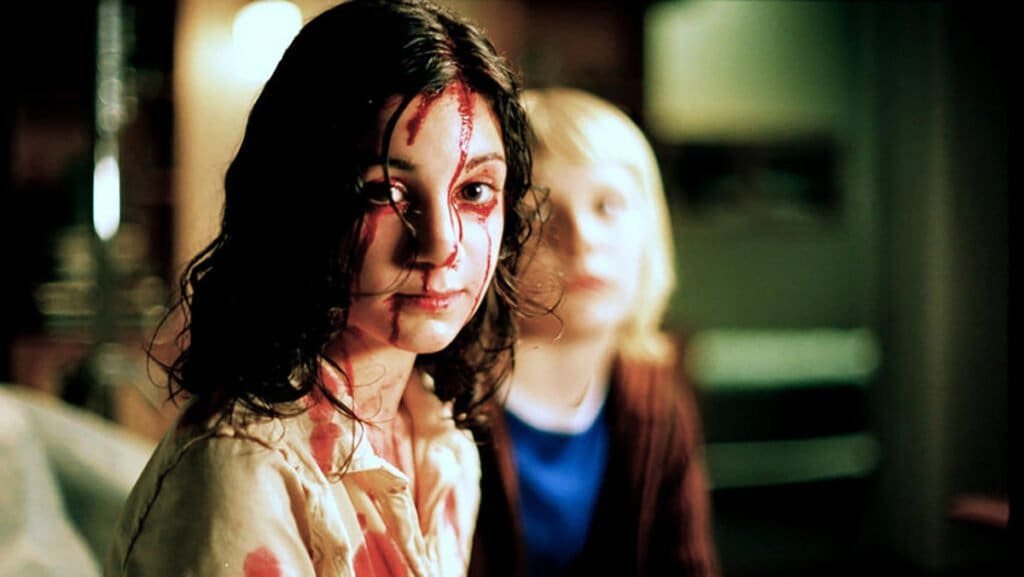
Let the Right One In — Loneliness in Immortality
Eli is a vampire. But more than that, Eli is alone. Forever. The film doesn’t frame vampirism as power.
It frames it as:
- isolation
- dependency
- emotional stasis
There’s something deeply sad about a creature who can never grow, never change, never belong.

Why We Connect With Monsters Like This
Because they reflect something uncomfortable.
Not just fear…
but recognition.
1. The Fear of Being Rejected
These monsters are often rejected on sight.
Before they speak.
Before they act.
That taps into something deeply human.
2. The Fear of Becoming Something Unrecognizable
Transformation horror hits differently when it’s emotional.
Not just “I’m changing” — but:
“I don’t know who I am anymore.”
3. The Fear That We’re the Problem
This is the one horror that doesn’t always say out loud.
Sometimes the monster isn’t the tragedy.
We are.
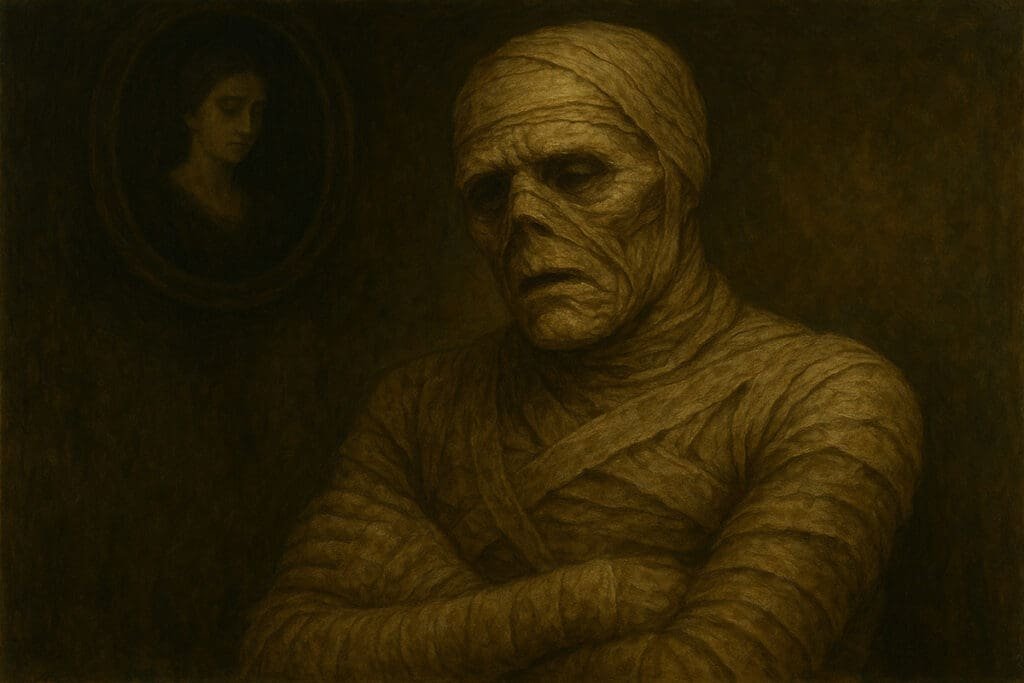
Horror as Empathy Machine
The best horror doesn’t just scare you. It shifts your perspective. It asks you to sit with something uncomfortable:
What if the thing you fear…
is the thing you’d become under different circumstances?
What if the monster isn’t evil…
just alone?
Who Are You Rooting For?
The next time you watch a horror film, pay attention to your instincts. Who do you sympathize with? Who do you understand? Because if horror has taught us anything, it’s this:
The line between monster and human…
has always been thinner than we think.


 Prev Post
What do you think?
Show comments / Leave a comment