





 December 5, 2025
Winter is beautiful in that bone-deep, vaguely threatening way — all soft snowdrifts and quiet woods until you realize the silence isn’t peaceful. It’s watching. It’s waiting. And horror creators have always known that when the world freezes, the old stories thaw.
From mountain demons to ghostly wanderers, winter folklore crawls beneath our favorite cold-weather horror films like roots beneath snow. These aren’t just myths whispered around a fire. These are the creatures that grew into our most chilling cinema — the icebound origin stories behind the movies that make us double-check the windows during a blizzard.
So wrap yourself in a blanket, light a candle, and let’s take a winter walk through the mythic frost.
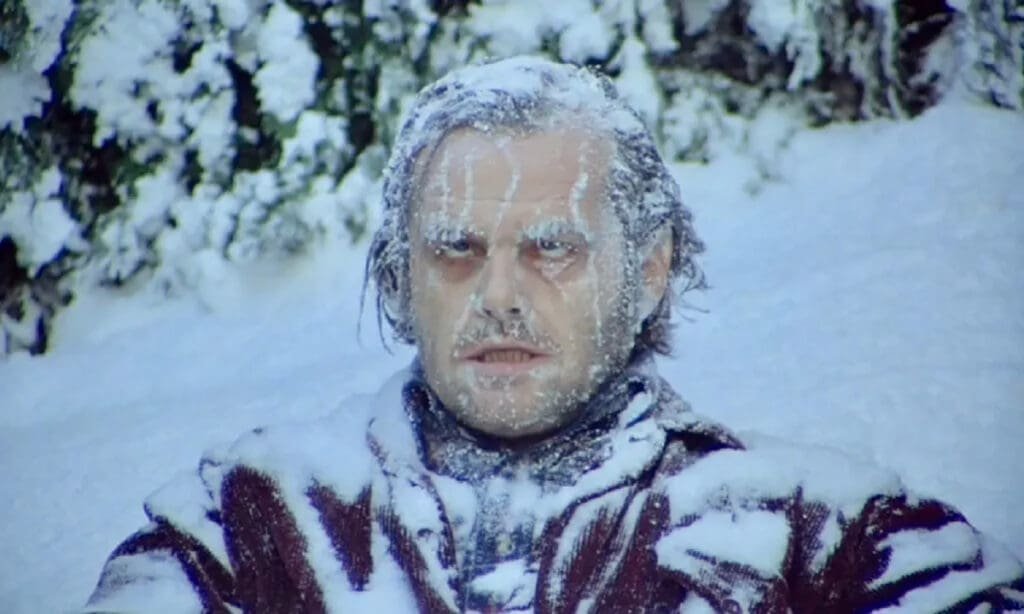
Why Winter Is Horror’s Most Ancient Season
Before winter was cozy, it was deadly. Cold months meant scarcity, storms, isolation — and the very real possibility of not seeing spring. So ancient cultures filled the season with spirits who demanded respect, offerings, or distance.
Winter folklore tends to share three themes:
1. Isolation
Snow traps. Darkness isolates. Even in populated places, winter makes the world feel empty — perfect for supernatural stories.
2. Hunger
Scarcity breeds desperation. Winter monsters are almost always hungry… for food, for warmth, for you.
3. Boundary-Thinning
Across cultures, winter marks the time when the veil weakens — when spirits roam freely, and the living must beware what walks the frozen night.
Cold weather isn’t just atmospheric — it’s ancestral fear.
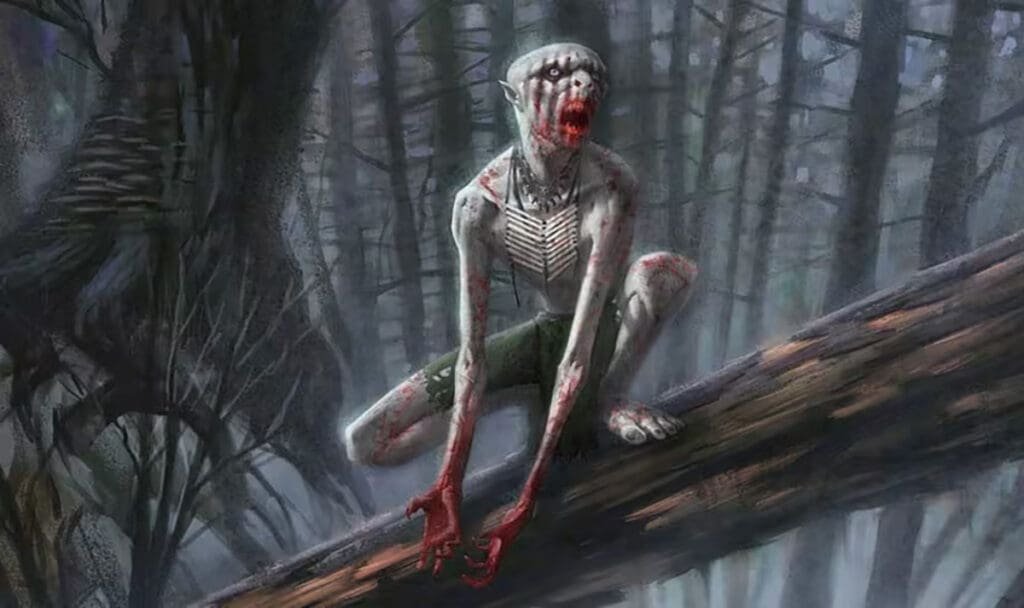
The Wendigo — Cannibal Spirits and Endless Winter
One of North America’s most chilling winter myths, the Wendigo comes from Algonquian folklore: a skeletal, frostbitten creature born from starvation and greed. It symbolizes the terror of winter hunger — of taking more than you should, becoming something you’re not meant to be.
How It Shaped Horror Films
Films like Ravenous (1999) and Antlers (2021) reinterpret Wendigo mythology as both monster and metaphor:
– Starvation → Moral rot
– Isolation → Madness
– Winter → A landscape that witnesses but never saves
The cold doesn’t bring the Wendigo — it creates it.
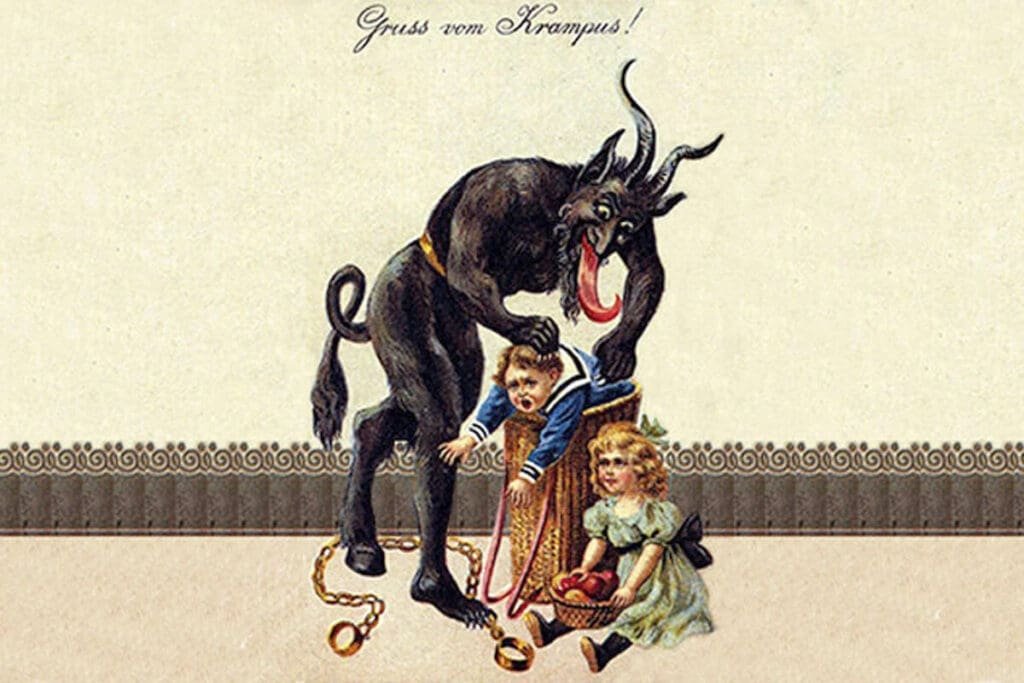
Yule Beasts & Alpine Terrors — Krampus and His Frostbitten Kin
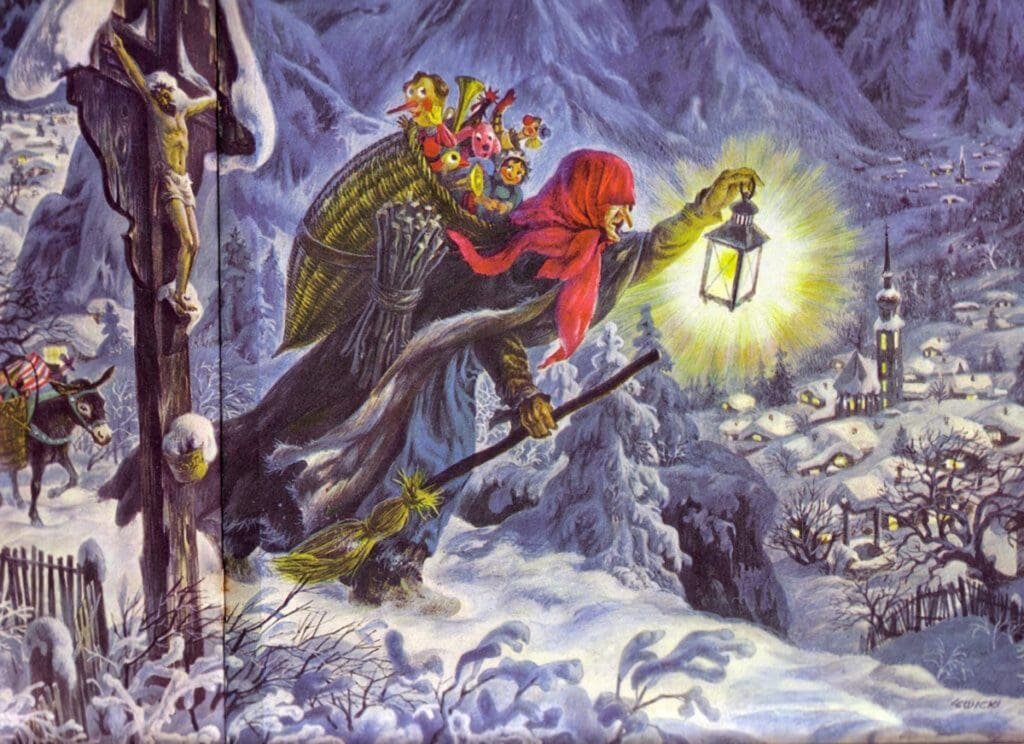
European Alpine folklore is basically a cautionary tale wrapped in fur and horns. The most famous is Krampus, a Christmas devil who punishes wicked children by stuffing them in a sack and dragging them into the winter dark.
But Krampus isn’t alone.
Perchta, the Belly-Splitter
A winter goddess who punishes laziness by — you guessed it — slicing open your abdomen. Cozy!
The Yule Lads
Icelandic trickster trolls who show up during the 13 days of Christmas to steal, torment, or prank humans.
How They Influence Horror
Films like Krampus (2015) revive these old spirits, showing that winter festivities have always had a darker side.
Even the warm glow of Christmas lights can’t hold back the ancient teeth in the shadows.
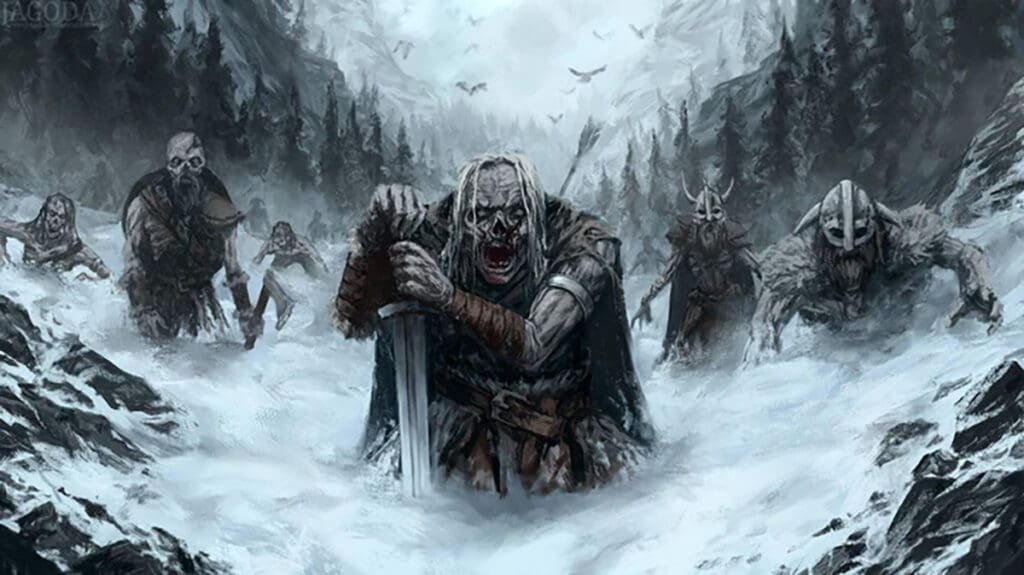
Scandinavian Draugr — The Undead Frozen Guardians
In Norse mythology, Draugr are undead beings who guard treasure, torment the living, and embody the cold permanence of winter death. Unlike Western ghosts, they’re physical, powerful, and terrifyingly territorial.
Modern Echoes
If you’ve seen The Ritual (2017), you’ve felt the Draugr influence — an ancient woodland god tied to Norse myth, punishing trespassers.
Folklore Significance
Winter equals stasis. The Draugr represents the dread of things that should rest… but don’t.
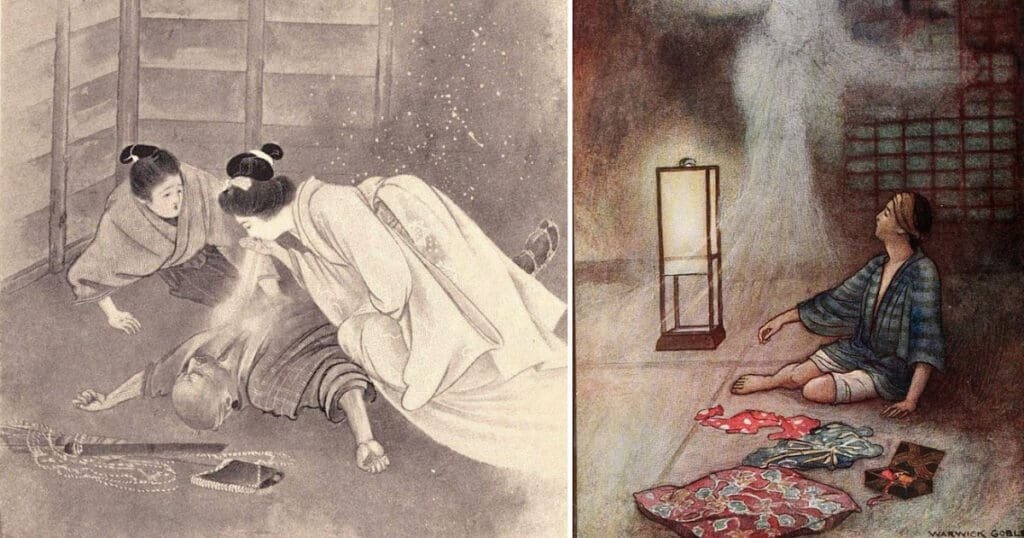
Japan’s Yuki-onna — The Snow Woman Who Haunts Travelers
Japan’s winter folklore gives us one of the most haunting spirits across world mythology: Yuki-onna, the Snow Woman.
Beautiful, ghostly, and ice-pale, she wanders storms and frozen roads, appearing to lost travelers.
Sometimes she guides them.
Sometimes she steals their last warm breath.
Her Cinematic Legacy
You can see Yuki-onna’s DNA in films like Kwaidan (1964) and countless J-horror tales where winter becomes a ghost story — elegant, tragic, and fatal.
She is winter personified: lovely, but lethal.
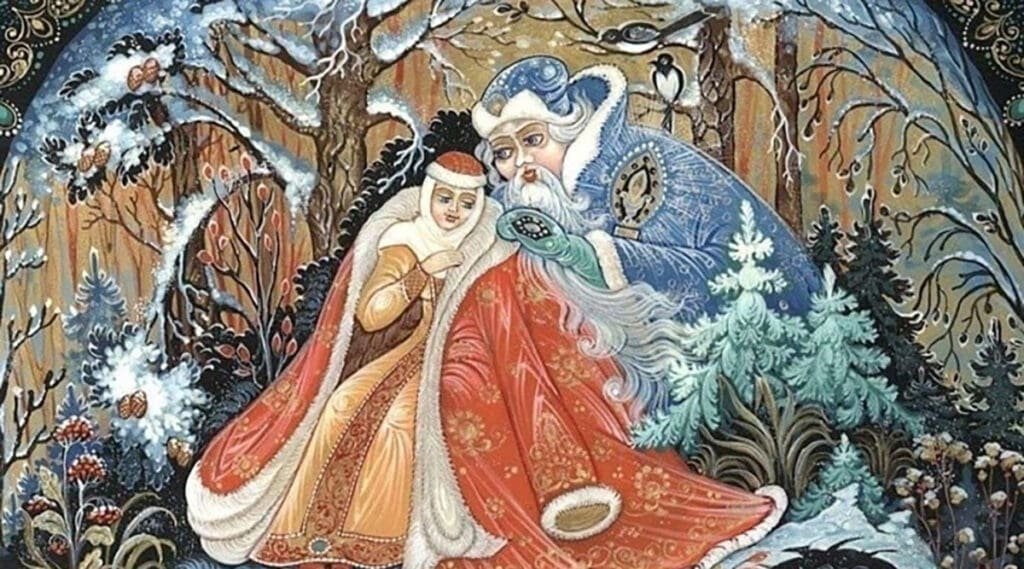
Slavic Morozko & Seasonal Spirits — Frost Bites Back
Slavic folklore is rich with winter beings:
Morozko
A frost spirit who brings icy death to the ungrateful.
The Rusalka (Winter Variant)
Though typically a springtime entity, winter Rusalki become vengeful — their grief turning icy and predatory.
Cinematic Echoes
Films like November (2017) bring Eastern European winter folklore into eerie, surreal cinema.
Snow becomes myth. Frost becomes fate.
The Haunted North — Arctic Spirits & Endless Night
Indigenous Arctic cultures tell stories of shape-shifters, nightwalkers, and icy spirits that follow travelers across frozen landscapes.
One recurring theme: the land watches.
Qalupalik
An Inuit creature who drags the unwary beneath ice.
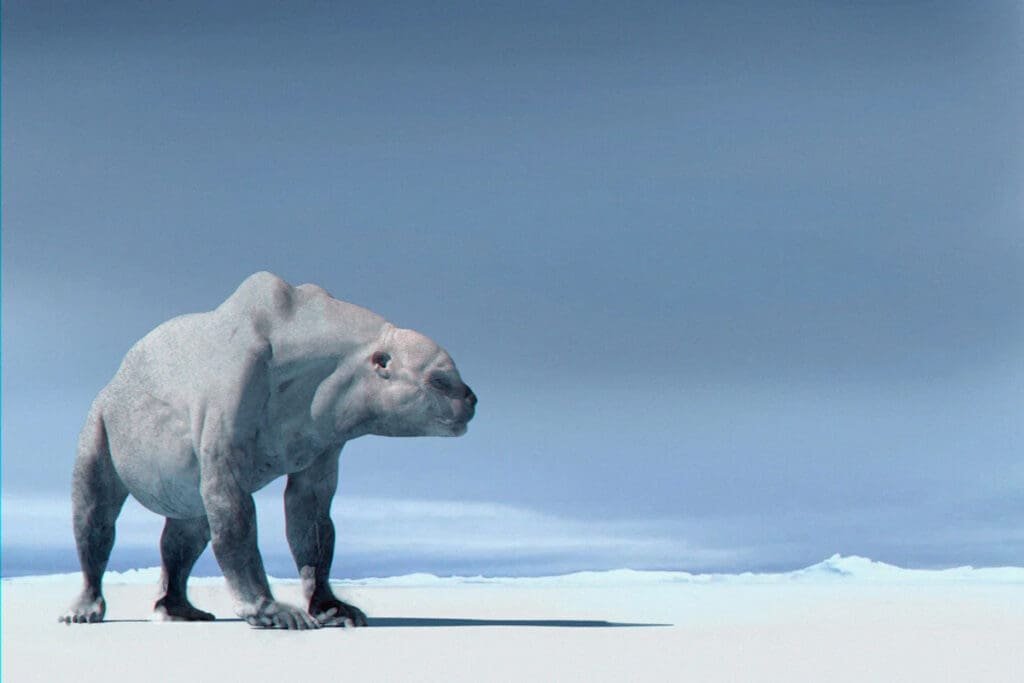
Tuunbaq
A monstrous spirit featured in The Terror (2018), loosely based on Inuit lore.
Why It Works on Screen
Isolation meets cosmic dread.
Winter night lasts a month.
The silence becomes a breathing thing.
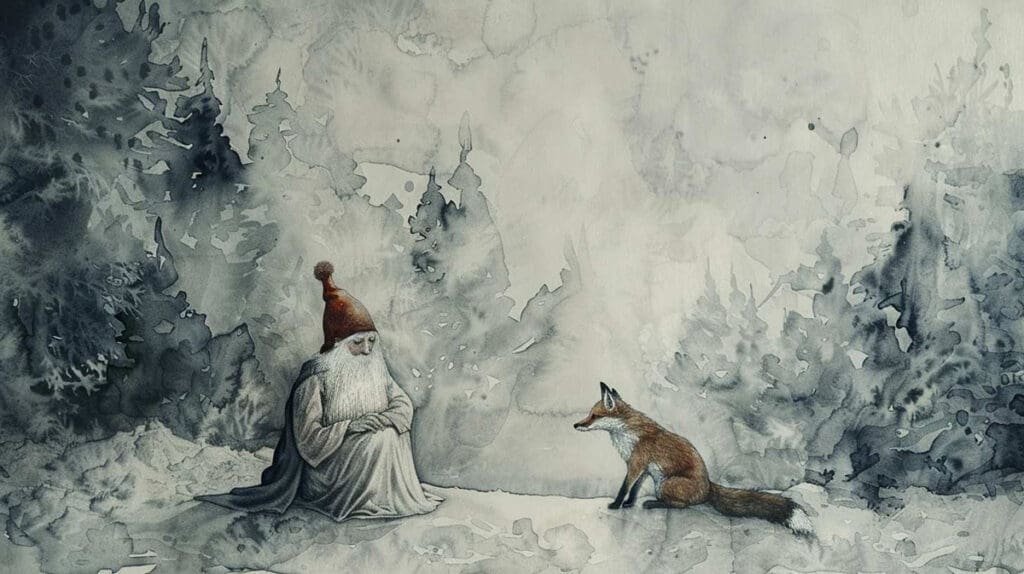
How Winter Folklore Shapes Modern Cold-Weather Horror
Winter horror films aren’t just “set in the cold” — they inherit folkloric DNA:
Isolation = Psychological Collapse
The Shining
The Lodge
The Thing
Winter strips characters down to their fears.
Frozen Landscapes = Emotional Symbolism
Let the Right One In uses snow as emotional quiet — grief frozen in place.
Monsters = Reflections of Seasonal Anxiety
Wendigos = hunger
Krampus = moral judgment
Yuki-onna = sorrow
Draugr = death that won’t stay buried
Winter horror is mythology wearing a parka.
Why We Love Winter Folklore in Horror Today
Winter horror scratches specific emotional itches:
1. Atmospheric Comfort + Dread
Snow is gorgeous — and quietly terrifying.
2. Catharsis for Seasonal Darkness
Long nights mean long thoughts… and horror gives shape to them.
3. Myth Feels Closer in the Cold
Winter is when stories come home.
This is the season where campfires became rituals and bedtime tales were warnings. Winter horror echoes those ancient instincts — beautifully, eerily, irresistibly.


 Prev Post