





 March 16, 2026
Horror often surrounds us with noise.
Screaming crowds. Masked killers chasing teenagers. Paranormal chaos rattling entire households.
But some of the most haunting horror stories ever filmed take the opposite approach.
They strip everything away.
No crowds.
No rescue.
No comforting background chatter.
Just one person… and the creeping realization that they are completely, terrifyingly alone.
These are isolation horror movies — films where loneliness itself becomes the monster. The setting may be a frozen research station, a lighthouse battered by waves, or a quiet apartment at the end of the world, but the emotional core is always the same.
Isolation reveals what we are when no one else is there to witness us.
And sometimes that revelation is horrifying.
Why Isolation Is One of Horror’s Most Powerful Tools
Humans are social creatures. Our brains evolved to depend on connection, cooperation, and shared safety.
Remove those things, and something ancient awakens: the fear of abandonment.
Isolation horror movies tap into several deep psychological anxieties:
• Being cut off from help
• Losing your sense of reality
• The mind turning against itself
• The possibility that no one is coming
Without other people to ground us, reality becomes slippery. Doubt creeps in. The environment grows louder.
The wind sounds like whispers.
Footsteps echo in empty rooms.
Your own thoughts become unreliable.
Isolation doesn’t just create danger.
It creates psychological unraveling.
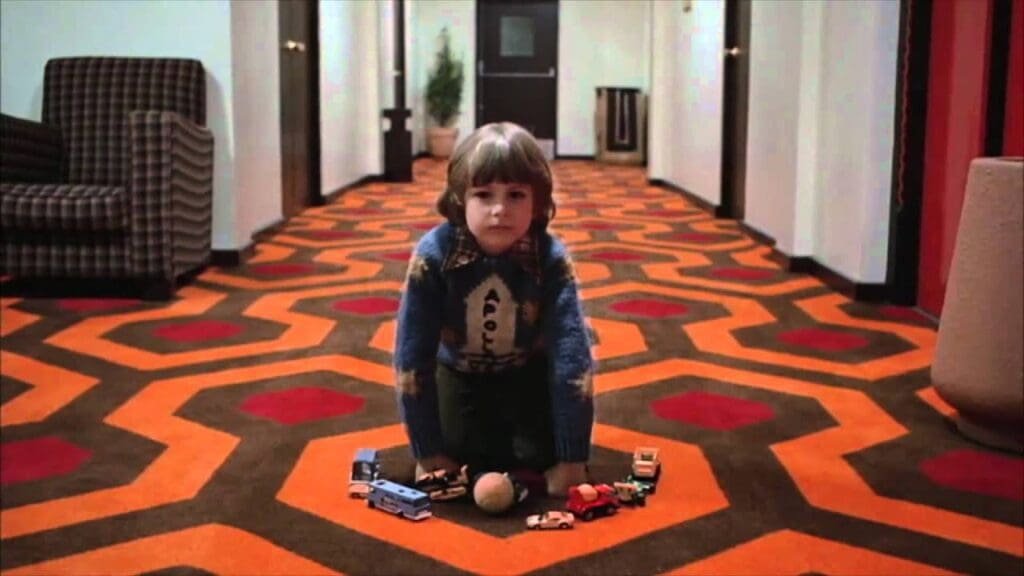
The Shining — Isolation in a Haunted Palace
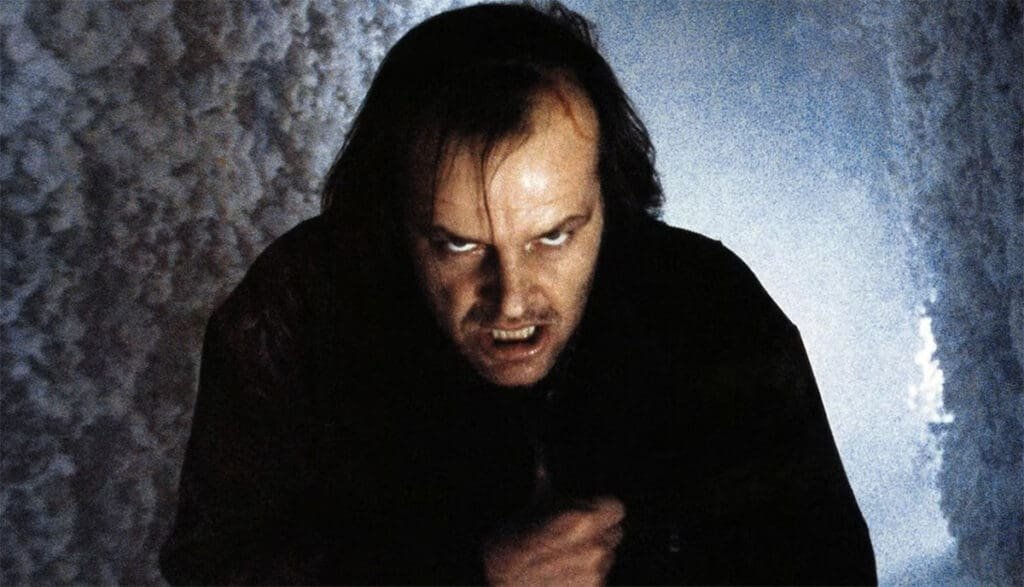
Stanley Kubrick’s The Shining remains one of the most iconic isolation horror films ever made.
The Torrance family arrives at the Overlook Hotel as winter caretakers, only to find themselves trapped by snowstorms and cut off from civilization for months.
The hotel itself is enormous, beautiful, and empty.
And that emptiness becomes suffocating.
Without outside contact, Jack Torrance begins to unravel. His identity fractures. His frustration grows.
The quiet hallways of the Overlook amplify his inner darkness.
The true horror of The Shining is not just the ghosts.
It’s what happens when a man is left alone with himself.
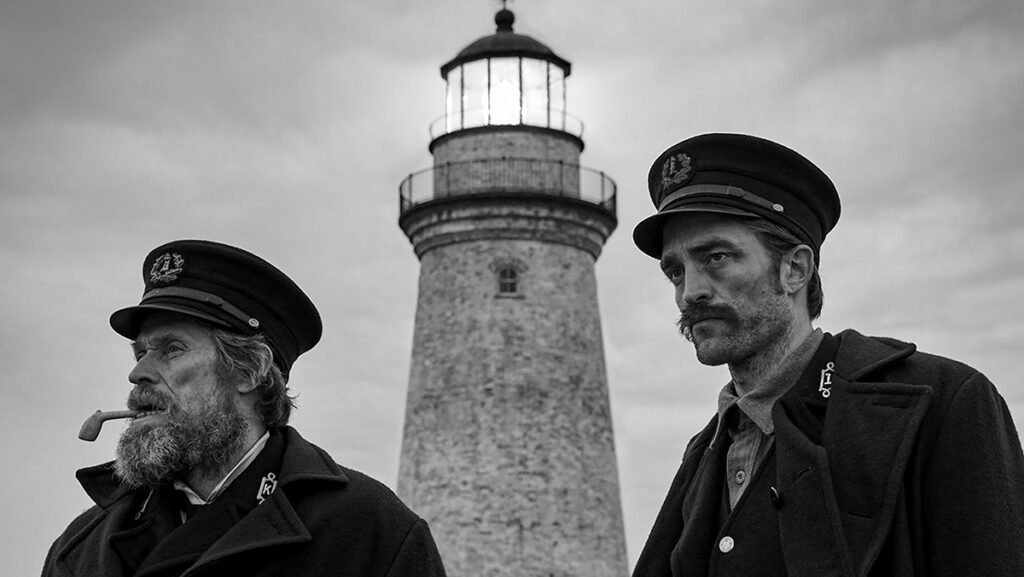
The Lighthouse — Madness at the Edge of the World
Few films capture the psychological claustrophobia of isolation like Robert Eggers’ The Lighthouse.
Two lighthouse keepers stationed on a remote island slowly descend into paranoia, obsession, and madness. The ocean traps them. The storm traps them. The lighthouse itself becomes an object of fixation.
The film’s black-and-white cinematography enhances the sense of confinement. The world feels stripped down to rock, sea, and deteriorating sanity.
Isolation here becomes mythic.
The men aren’t just alone with each other. They are alone with the universe.
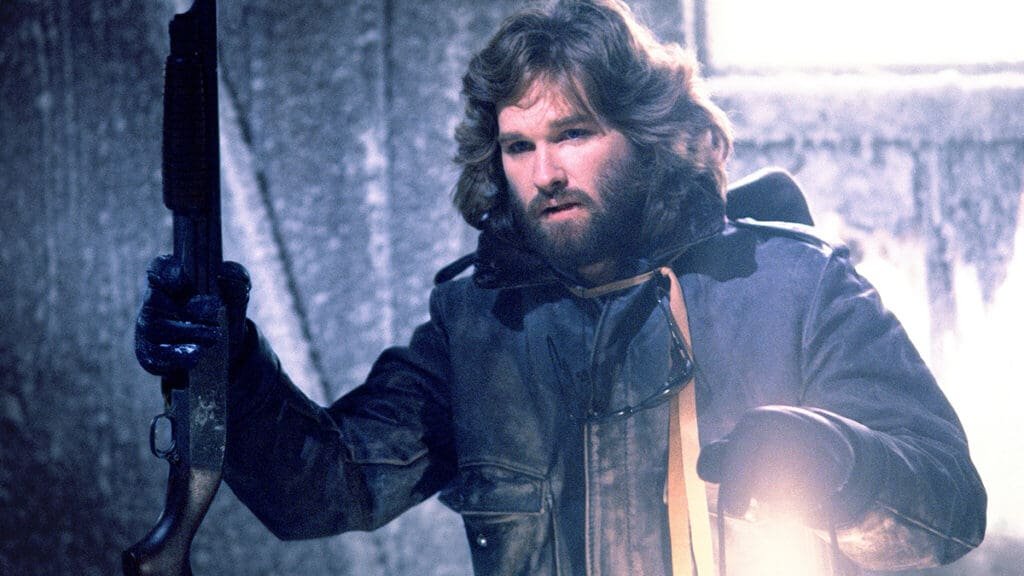
The Thing — Paranoia in the Frozen Void
John Carpenter’s The Thing is often remembered for its groundbreaking practical effects and grotesque alien transformations.
But at its heart, the film is about isolation.
Set in an Antarctic research station, the characters are physically cut off from the world. No rescue is coming. No reinforcements are arriving.
When an alien lifeform capable of perfectly imitating humans infiltrates the station, trust collapses completely.
In isolation horror, the environment traps you.
In The Thing, isolation removes the ability to trust anyone.
Even yourself.
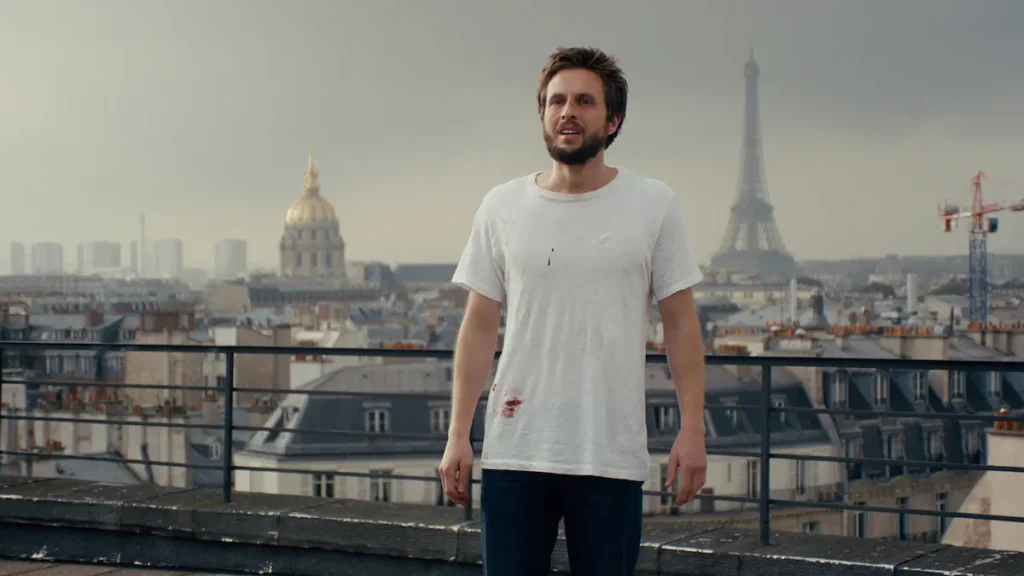
The Night Eats the World — The Quiet End of Everything
Zombie movies usually thrive on chaos. Screaming crowds. Cities collapsing. Survival groups fighting for control.
The Night Eats the World does something far more unsettling.
It removes the noise.
After a mysterious outbreak wipes out Paris overnight, one man wakes up in an empty apartment building. Outside, zombies wander silently.
There are no survivors. No allies. No conversations.
Just routine.
The film explores a different kind of horror: the slow emotional erosion that comes from being the last person left.
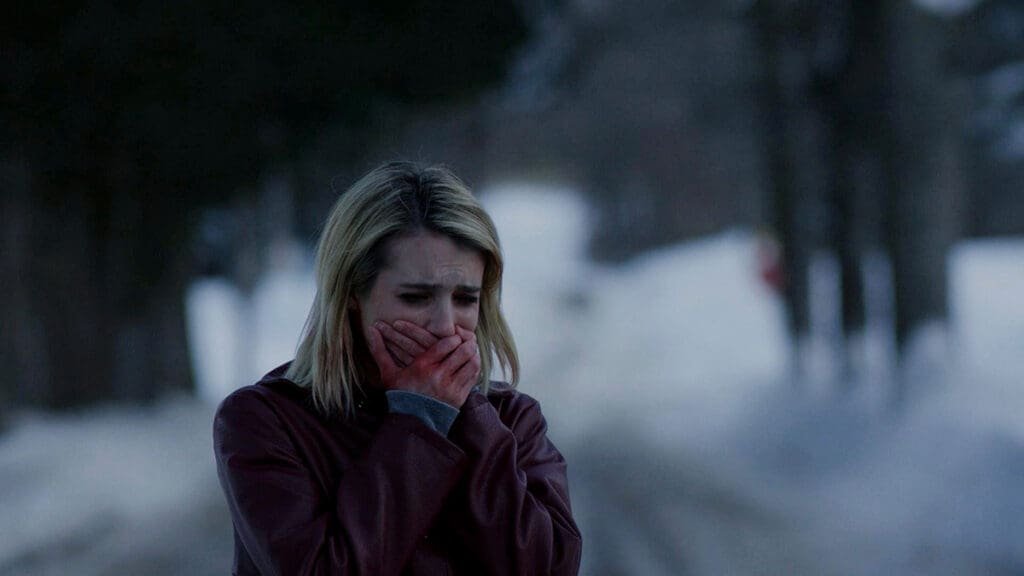
The Blackcoat’s Daughter — Loneliness as a Supernatural Force
Oz Perkins’ The Blackcoat’s Daughter turns isolation into something almost spiritual.
Set at a nearly abandoned boarding school during winter break, the film surrounds its characters with silence and cold. The empty hallways feel like purgatory.
Loneliness becomes an emotional vacuum — one that something darker may be waiting to fill.
This is one of horror’s most subtle explorations of isolation: the idea that when humans feel abandoned long enough, they may begin to invite something else into that space.
Isolation vs Loneliness in Horror
There is an important difference between the two.
Isolation is physical.
Loneliness is emotional.
The most powerful isolation horror movies blend both.
Characters are not only cut off from the world — they feel disconnected from meaning, purpose, or identity.
This combination makes the horror feel existential.
Why Isolation Horror Feels So Personal
Modern life is paradoxical.
We are more connected than ever through technology, yet many people feel increasingly alone.
Isolation horror resonates because it mirrors that contradiction.
These films ask unsettling questions:
• Who are you when no one else is around?
• How long can the human mind survive without connection?
• What does silence do to a person?
In isolation horror, the monster is often secondary.
The real terror is the mind trying to survive emptiness.
If You Want to Experience Isolation Horror
These films capture the theme perfectly:
The Shining
The Lighthouse
The Thing
The Night Eats the World
The Blackcoat’s Daughter
Watch them on a quiet night.
Turn the lights low.
Let the silence linger.
Isolation horror works best when the world around you feels just a little too quiet.
The Quiet Is the Scariest Part
Horror does not always need monsters.
Sometimes it only needs space.
An empty hallway.
A frozen landscape.
A lighthouse at the edge of the sea.
Isolation strips away distractions and forces us to confront ourselves.
And that may be the most frightening encounter of all.


 Prev Post
What do you think?
Show comments / Leave a comment