





 February 5, 2026
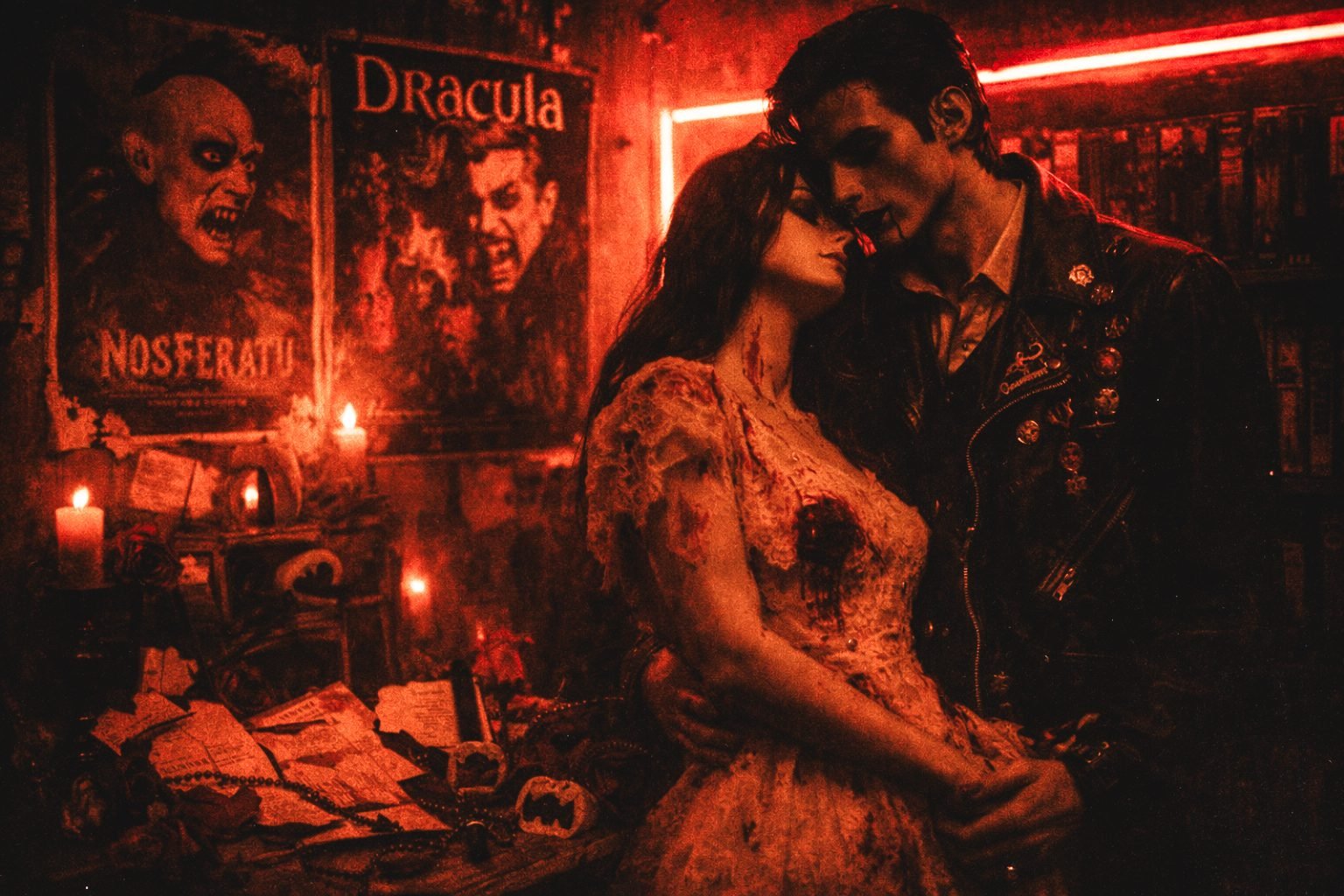
February doesn’t belong to roses.
It belongs to obsession, devotion, and the kind of love that refuses to die quietly.
Horror has always understood something romantic comedies avoid: love is terrifying. Not because it fails, but because it consumes. It transforms. It exposes our deepest fears about intimacy, loss, and becoming something unrecognizable for the sake of connection.
This is why some of horror’s most enduring stories are love stories. Gothic, monstrous, tragic love stories where devotion turns dangerous and affection demands a cost.
Welcome to the dark heart of horror love stories, where romance doesn’t save you — it changes you.
Why Love and Horror Belong Together
At their core, both love and horror ask the same question:
What are you willing to give up to feel less alone?
Romantic horror thrives on emotional vulnerability. It strips characters bare, then introduces something monstrous — not to destroy love, but to test it.
Common themes emerge again and again:
Fear of abandonment
Fear of losing control
Fear of becoming someone unrecognizable
Fear that love will not be returned equally
In horror, love isn’t safe. It’s sacred. And sacred things demand sacrifice.

The Shape of Water — Love Beyond Language
Guillermo del Toro’s The Shape of Water is a fairy tale soaked in longing. Set in a Cold War-era world of repression and cruelty, it tells the story of a woman who finds connection not with the men around her, but with a creature society labels as monstrous.
The horror isn’t the amphibian man.
The horror is how quickly humans dehumanize what they don’t understand.
This is romantic horror at its gentlest — love as liberation, but also as defiance. Choosing the monster becomes an act of rebellion against a world that punishes softness.
Why it works:
Love as communication beyond words
The monster as emotional mirror
Romance as resistance
Let the Right One In — Eternal Love, Eternal Cost
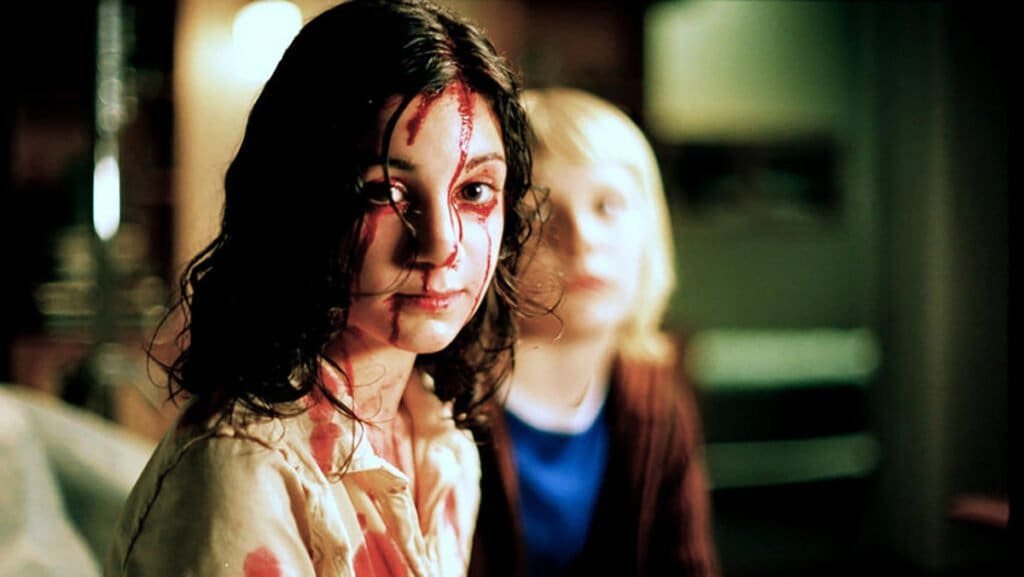
Snow muffles everything in this quiet, devastating vampire story. Childhood friendship slips into something darker, older, and irreversible.
This film understands that love isn’t always about saving someone. Sometimes it’s about staying, even when you know the cost will follow you forever.
The horror here is subtle:
Immortality as emotional stasis
Love as dependency
Protection that slowly becomes entrapment
This is horror romance for those who understand that devotion can feel like safety… until it doesn’t.

Crimson Peak — Gothic Romance and Bleeding Walls
If love were a haunted house, it would look like Crimson Peak.
Del Toro’s gothic melodrama frames romance as inheritance — of trauma, of secrets, of violence. The ghosts are not there to frighten. They are warnings left behind by those who loved too deeply and paid the price.
In this world:
Love is beautiful but dangerous
Desire leaves stains
Houses remember what people try to forget
It’s horror that understands romance as architecture — ornate, collapsing, and impossible to ignore.
The Fly — When Love Can’t Save You
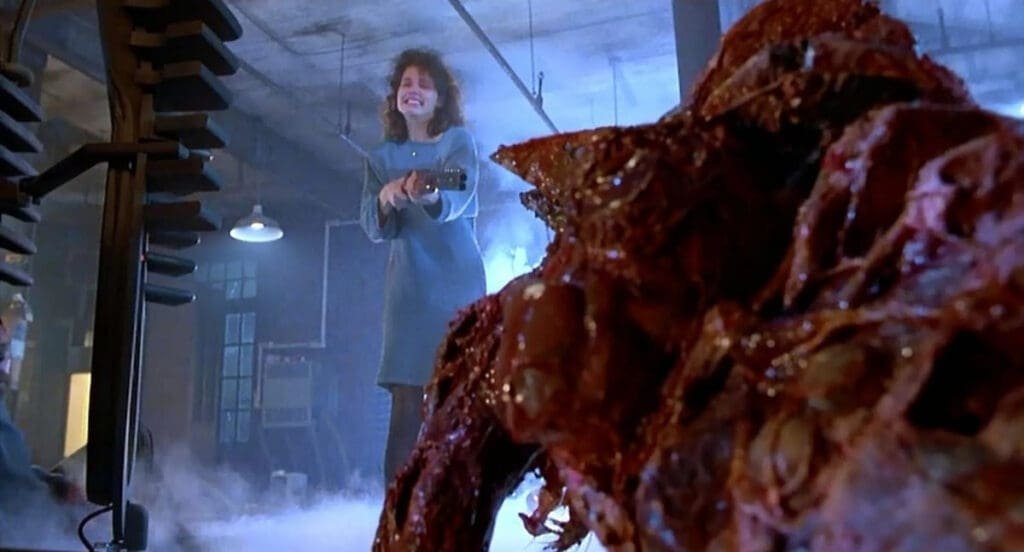
David Cronenberg’s The Fly may be one of the most devastating love stories in horror cinema. It asks a cruel question: What happens when love stays, but the body doesn’t?
This is romantic body horror at its most tragic. The transformation isn’t sudden. It’s slow. Intimate. Unavoidable.
The fear isn’t the mutation.
It’s watching someone you love disappear piece by piece while still needing you.
Love here becomes an act of witnessing, and that may be the most horrifying role of all.

Bram Stoker’s Dracula — Love That Refuses to Stay Buried
Francis Ford Coppola’s operatic adaptation treats Dracula not as a predator, but as a lover cursed by time. This is romance stretched across centuries, soaked in regret and obsession.
The horror lies in:
Love that never moves on
Desire that survives death
Devotion that becomes entitlement
This is gothic romance in its purest form — lush, tragic, and dangerous.
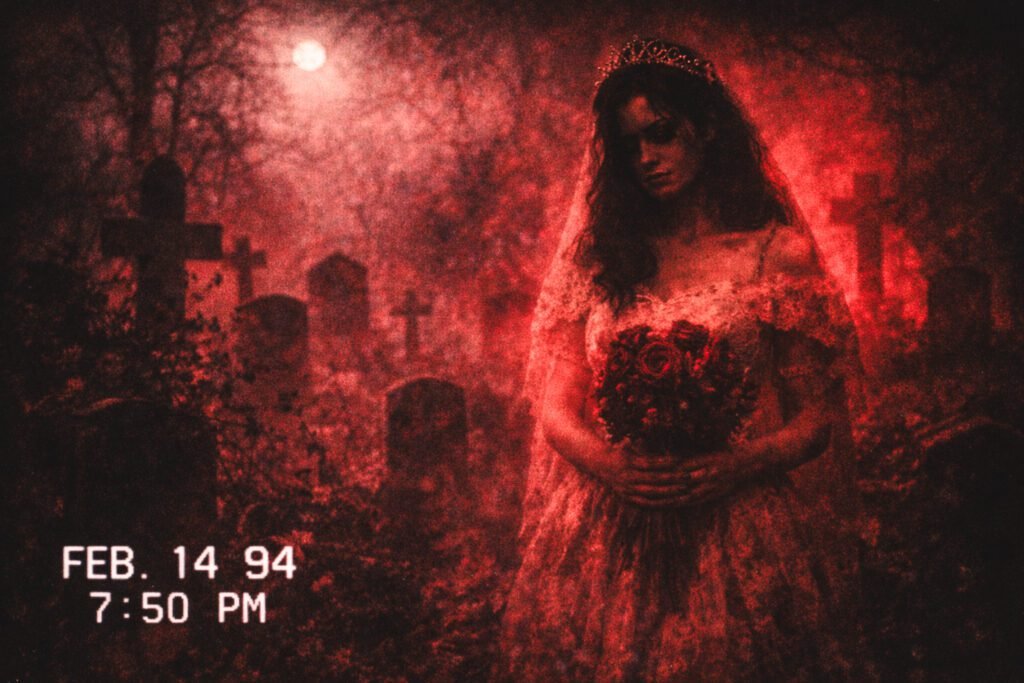
Why Monstrous Love Resonates in February
February amplifies emotional extremes. While the world celebrates romance, many feel longing, loss, or isolation more acutely.
Horror love stories resonate because they:
Validate complex feelings about intimacy
Allow love to be messy, frightening, and imperfect
Reflect the fear of being truly seen
Monsters become metaphors for the parts of ourselves we’re afraid to show — and the terrifying hope that someone might love us anyway.
Horror Understands Love Isn’t Safe
Romantic comedies promise comfort. Horror promises truth.
Love can change you.
Love can trap you.
Love can save you — or ask you to become something unrecognizable.
Horror doesn’t judge that risk. It explores it.
And that’s why February belongs here, in candlelight and shadow, where love is allowed to be dangerous, obsessive, and deeply human.


 Prev Post