





 December 8, 2025
Christmas has always belonged to ghosts.
Long before jingling bells and peppermint lattes, the winter holidays were a time of firelight, folklore, and restless spirits drifting through the longest nights of the year. When the world turned dark and the snow sealed the doors, people gathered together to share stories of things tapping at windows and whispering through frozen chimneys.
Horror cinema didn’t invent haunted holidays — it inherited them.
So pour yourself something warm, curl up by the glow of your Christmas tree (or the ghost of one), and let’s explore the spirits, monsters, and cold-weather hauntings that make Christmas horror movies so unforgettable.
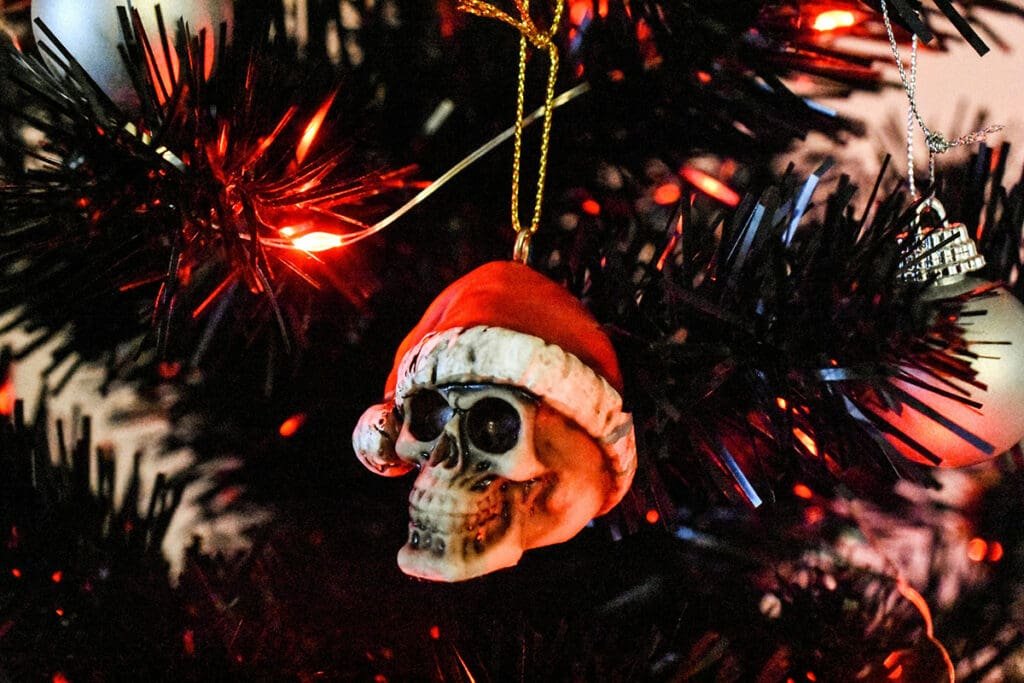
Why Christmas Is the Original Ghost Season
Winter used to be terrifying. The Victorian tradition of telling ghost stories on Christmas Eve wasn’t a quirk — it was a cultural truth. Cold months meant death, scarcity, and long nights where the imagination wandered darker roads.
Folklore Roots
Across Europe and beyond, winter was understood as a time when:
The veil between worlds thins
Ancestors revisit their homes
Lost travelers roam searching for warmth
Mischievous spirits punish bad behavior
Sound familiar?
It’s basically a cross between Dickens and Krampus.
Christmas horror movies carry these ancestral echoes — shadows under the tinsel, claws behind the carols.
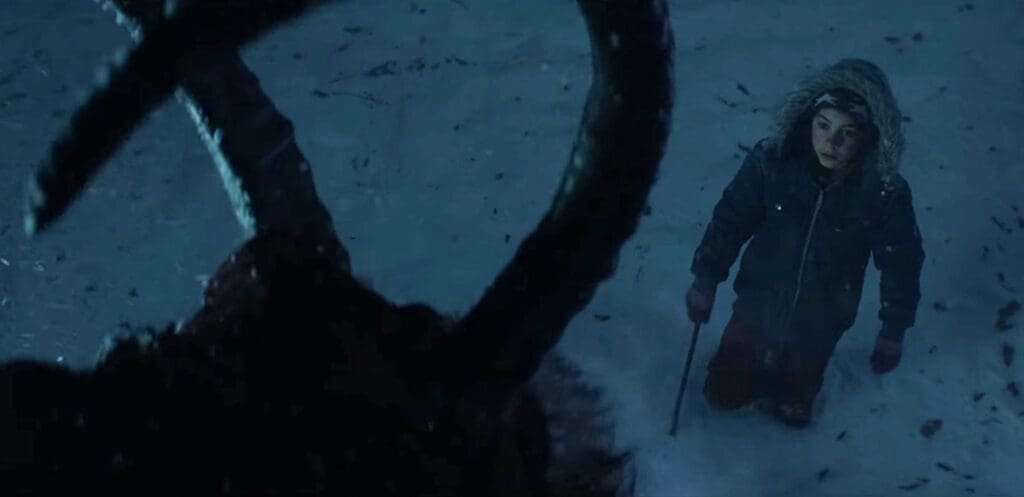
Krampus — The Dark Spirit of the Holiday Season
Film: Krampus (2015)
Folklore Origin: Alpine winter legends
Krampus, the horned punisher of naughty children, has been terrifying European villages far longer than Santa has been dropping down chimneys. He’s the winter demon of balance — where Santa rewards, Krampus corrects.
Michael Dougherty’s Krampus is the modern cinematic love letter to old-world holiday dread. Snow traps a dysfunctional family in their home while Krampus and his monstrous helpers stalk them through the storm.
Why It Works:
Pays homage to folklore
Balances humor and horror
Reinvents holiday morality tales
Uses isolation + cold as emotional and physical threats
Krampus isn’t anti-Christmas.
He’s Christmas without the sugarcoating.
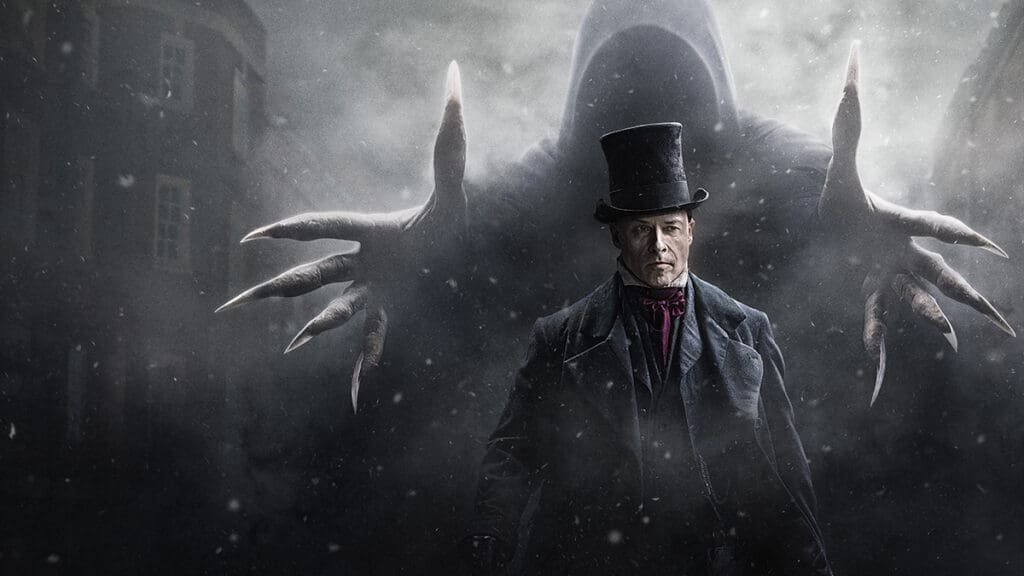
A Christmas Carol — The Original Holiday Ghost Story
Film: Multiple adaptations (1938, 1951, 1984, 1999, 2009)
Folklore Origin: Victorian séance culture + morality tales
Charles Dickens didn’t just give us a holiday classic — he crystallized the idea that Christmas is when ghosts come calling. With its chain-rattling warnings and eerie night visitors, A Christmas Carol is basically a gothic morality haunting wrapped in holly.
Why It Works:
Crystal-clear structure of supernatural intervention
Emotional horror (regret, mortality, legacy)
Cozy-gothic atmosphere
Spirits as teachers, not monsters
It’s the perfect Cafe Crashdown vibe: melancholy wrapped in candlelight.
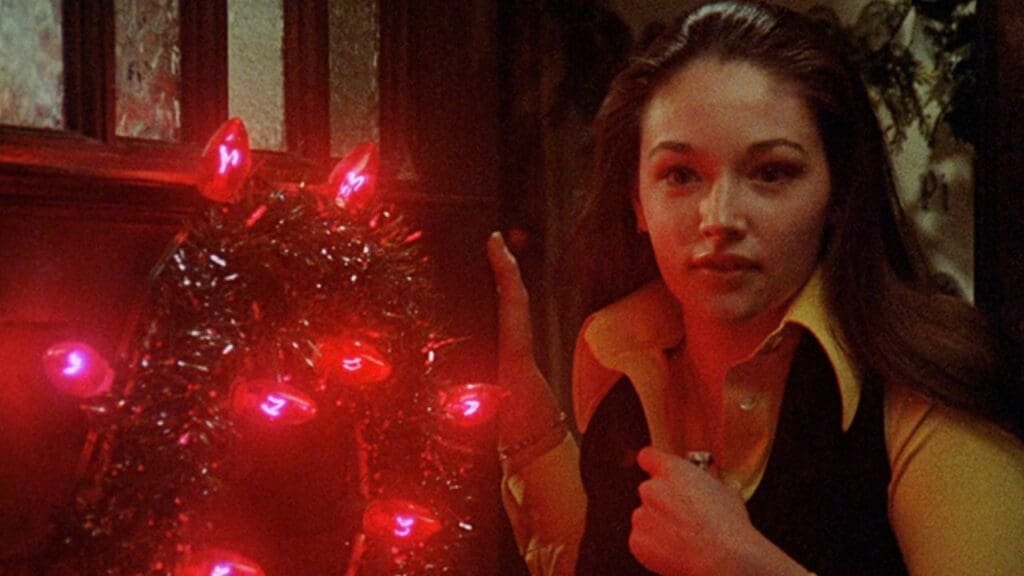
Black Christmas — Holiday Horror’s Slasher Blueprint
Film: Black Christmas (1974), Black Christmas (2006), Black Christmas (2019)
Bob Clark invented the holiday slasher before Halloween even hit the screen. The original Black Christmas turns a snow-dusted sorority house into a claustrophobic nightmare, blending seasonal cheer with invasive dread.
Themes Borrowed From Winter Ghost Lore:
Being watched
Isolation during storms
Homes as vulnerable spaces
Unseen spirits (or intruders) inside
The film may be modern, but the fear — something moving through the dark while the world sleeps — is ancient.
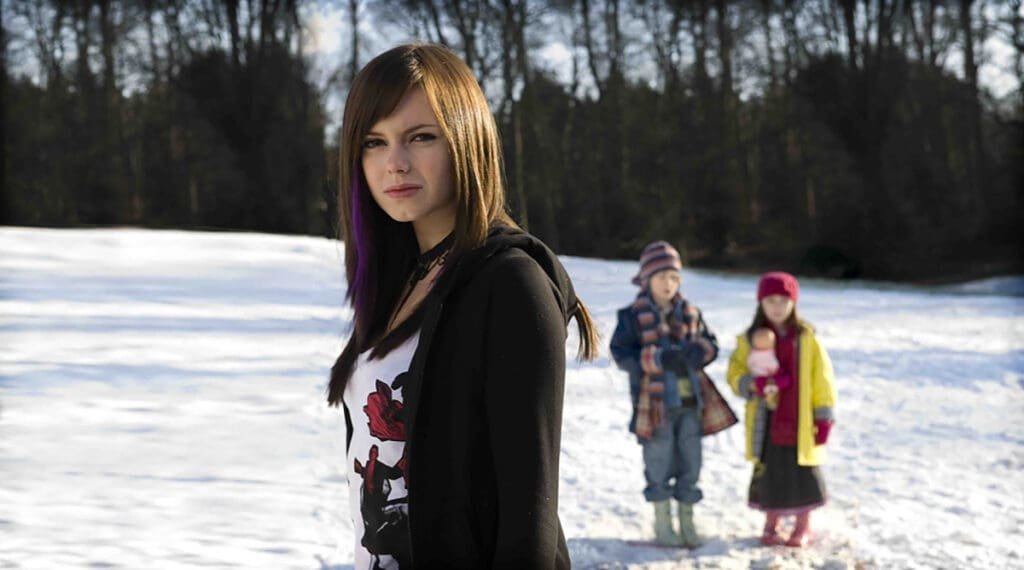
The Children — Evil in the Snowdrifts
Film: The Children (2008)
Folklore Origin: Winter changeling myths + cursed Yule children
Set in a remote countryside home, this British film uses snow and stillness to build terrifying tension. When children begin acting strangely violent during a family holiday gathering, the cold outside feels like a warning.
Why It Feels Folkloric:
Children overtaken by winter spirits
Themes of contagion and corruption
Snow as a supernatural force
It’s horror by way of atmospheric frost — more unsettling with every breath of cold air.
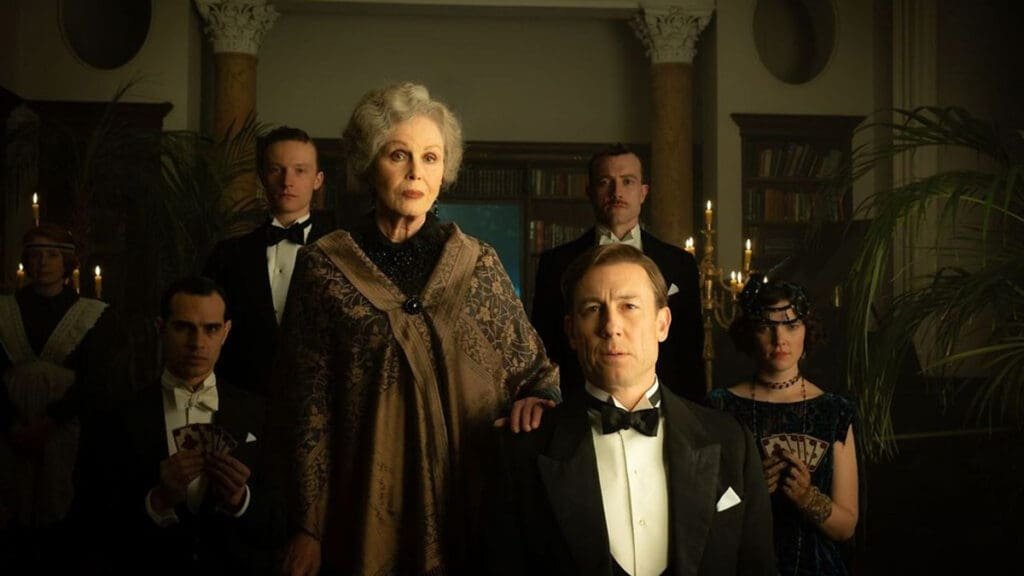
Ghost Stories for Christmas — BBC’s Holiday Haunt Tradition
Series: A Ghost Story for Christmas (1971–1978, revived 2005+)
Folklore Origin: M.R. James + English Yuletide ghost tale tradition
Before Hallmark ruled December, the BBC was scaring the absolute Dickens out of Britain every Christmas with adaptations of chilling ghost tales. These episodes are quiet, dread-filled, and deeply rooted in the Yuletide storytelling tradition.
Why They Endure:
Minimalism amplifies fear
Grim morality rooted in English folklore
Winter setting = perfect emotional backdrop
These films feel like someone reading you a ghost story in a creaky house while the wind presses at the windows.
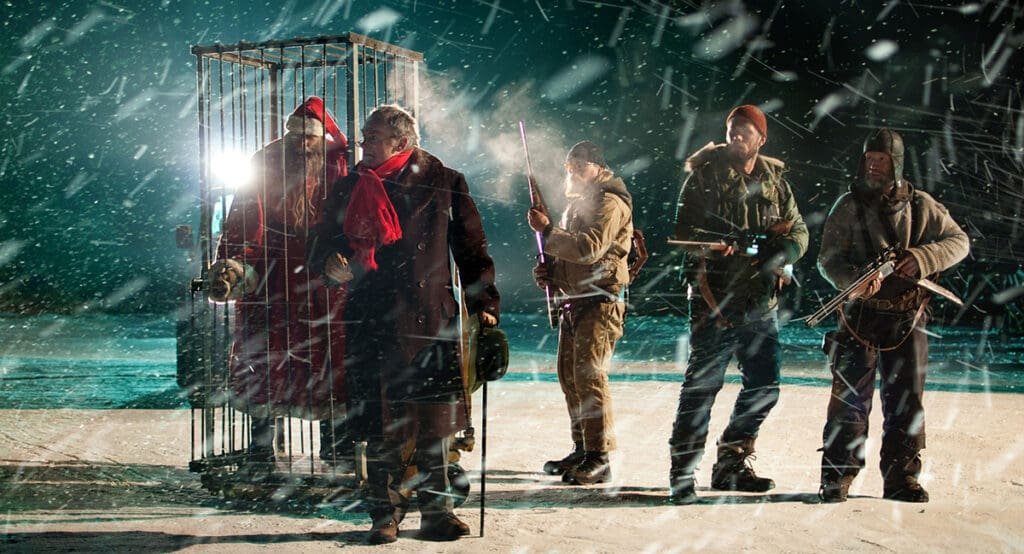
Rare Exports — Myth, Mischief, and Deadly Elves
Film: Rare Exports (2010)
Folklore Origin: Finnish Santa myths (Joulupukki)
Finland’s version of Santa was never meant to be jolly. The ancient Joulupukki is a horned, goat-like figure who punished children long before Coca-Cola dressed him in red.
Why the Film Rules:
Turns Santa back into a monstrous winter entity
Uses icy landscapes as natural horror sets
Blends dark humor with folklore accuracy
This one feels like a story whispered by someone who knows the old myths too well.
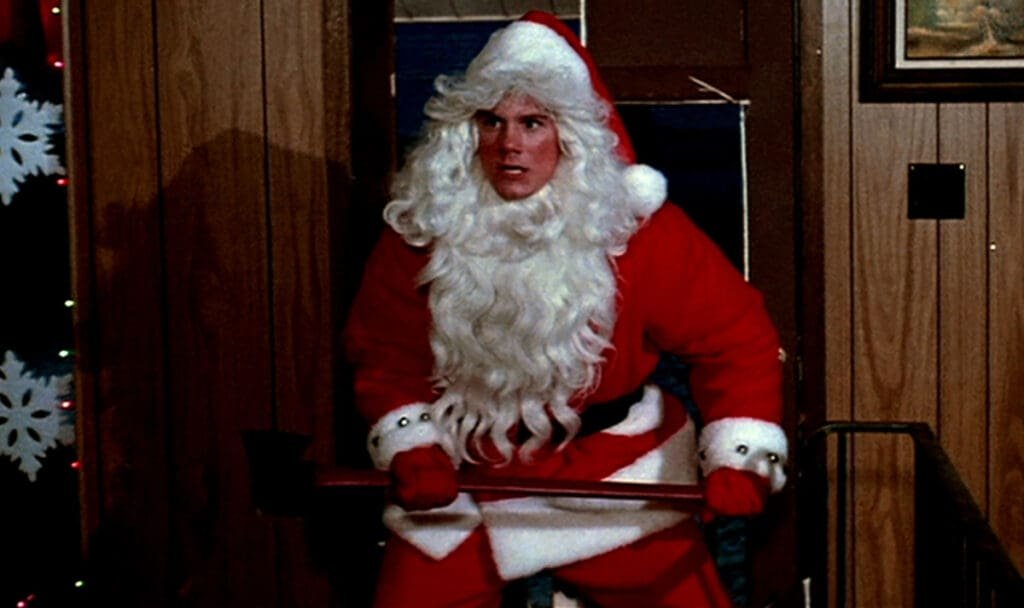
Silent Night, Deadly Night — When Santa Snaps
Film: Silent Night, Deadly Night (1984)
Folklore Origin: Fear of masked holiday visitors
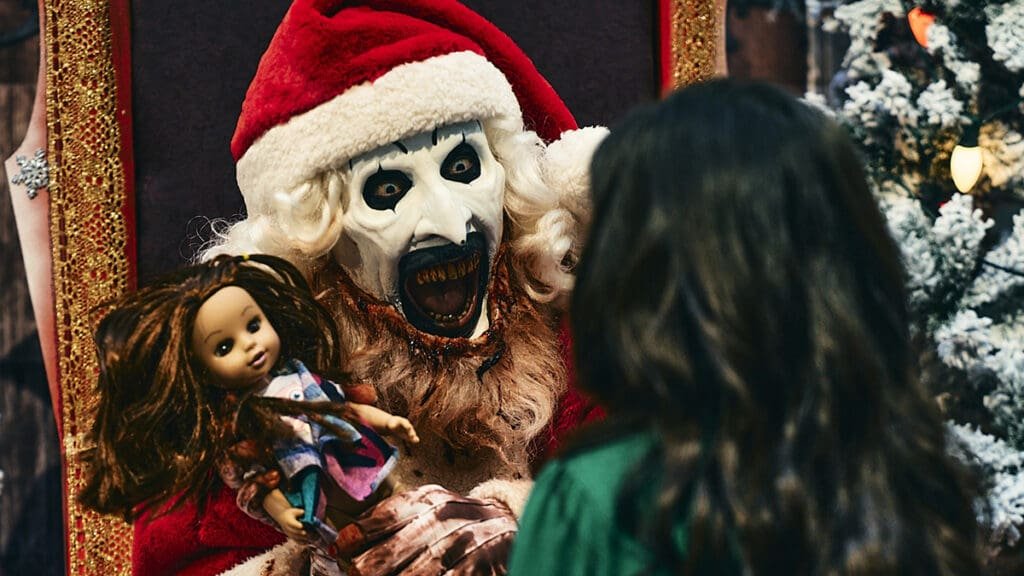
Part slasher, part social commentary, and entirely unhinged, this movie plays with the uncanny nature of holiday costumes. Santa is supposed to be benevolent — but what if the mask hides a monster?
Folklore Link:
Masked winter visitors appear in dozens of cultures.
Masks = transformation.
Transformation = danger.
Why Christmas Horror Endures: Joy, Melancholy, and Fear Mixed Together
Christmas is a paradox — joy and grief, warmth and cold, nostalgia and loss. Winter horror taps into this emotional cocktail and pours it right back into our cinematic cups.
1. The Season Is Already Supernatural
Lights in the dark.
Spirits visiting.
Sacred nights.
Myths layered on myths.
Winter Forces Introspection
The cold quiet is fertile ground for dread.
3. Christmas Is Symbolic
Family, legacy, morality, tradition — all ripe for horror.
4. Folklore Lives On
Krampus, ghosts, changelings, masked visitors…
Christmas horror simply gives them a new sleigh to ride in.


 Prev Post