





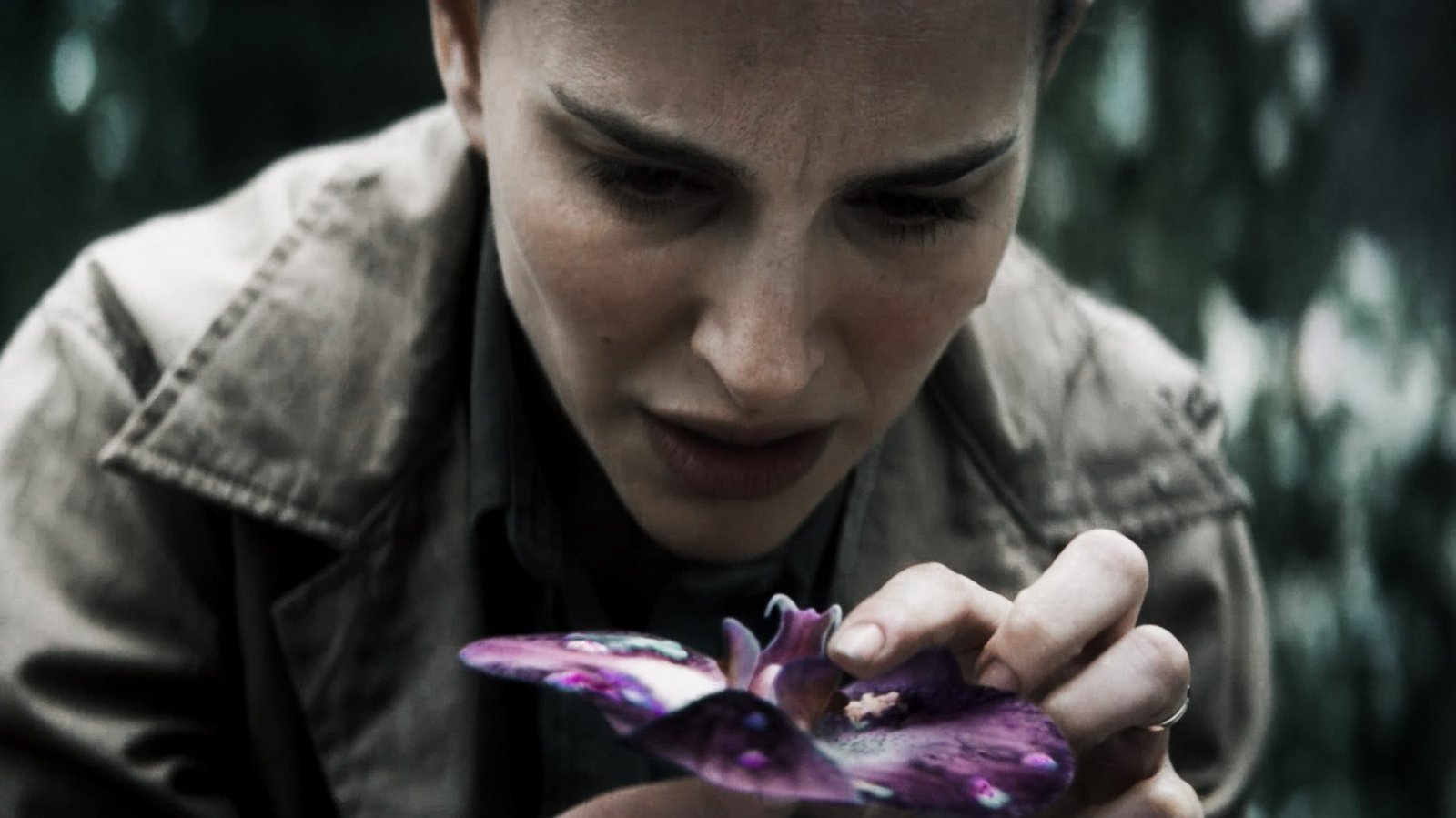
 March 9, 2026
Spring is supposed to be hopeful.
Birds return. The snow melts. Seeds wake up beneath the soil and begin the slow miracle of becoming something new. Every year we’re told the same comforting story: spring is rebirth, renewal, fresh beginnings.
But horror has always understood something darker about transformation.
Becoming something new means leaving something behind.
And sometimes that process is… grotesque.
In horror cinema, rebirth rarely arrives with sunshine and soft music. Instead, it arrives with cracking bones, shifting identities, alien mutations, and bodies that refuse to stay human.
Transformation becomes terrifying because it forces us to confront a deeply unsettling truth:
We are never as stable as we think.
Welcome to the unsettling world of body transformation horror, where rebirth isn’t beautiful — it’s monstrous.
Why Transformation Is One of Horror’s Most Powerful Themes
Transformation stories appear everywhere in horror because they strike at a universal fear: losing control of ourselves.
Unlike slashers or ghosts, transformation horror doesn’t involve an external attacker. The threat is internal.
Your body changes.
Your mind changes.
Your identity changes.
And the terrifying part is that the process often feels inevitable.
Transformation horror often explores themes like:
-
Fear of aging
-
Fear of illness
-
Loss of identity
-
Loss of bodily autonomy
-
The instability of the human form
In other words, these films reflect anxieties that are deeply human.
We cannot stop change. Horror simply exaggerates it.
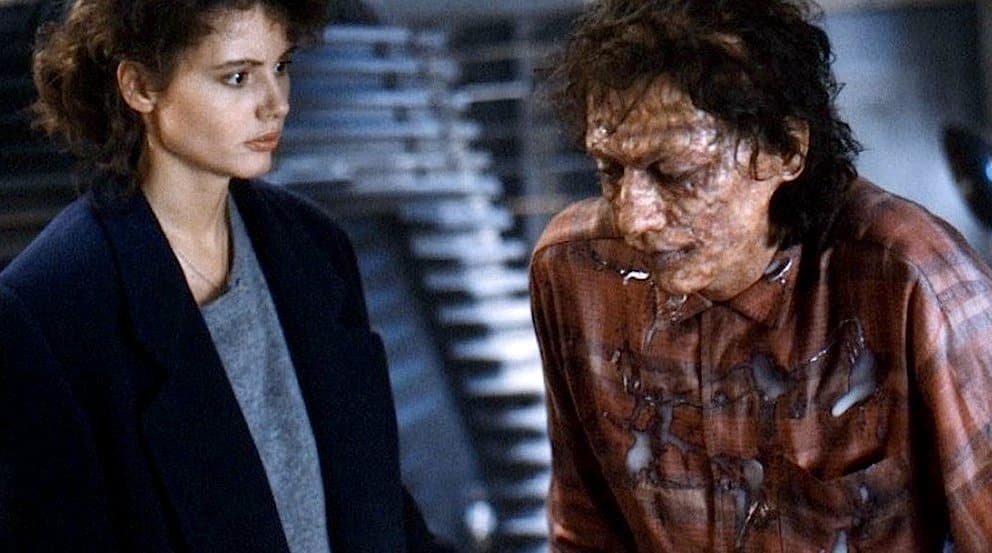
The Fly — Science, Mutation, and Slow Collapse
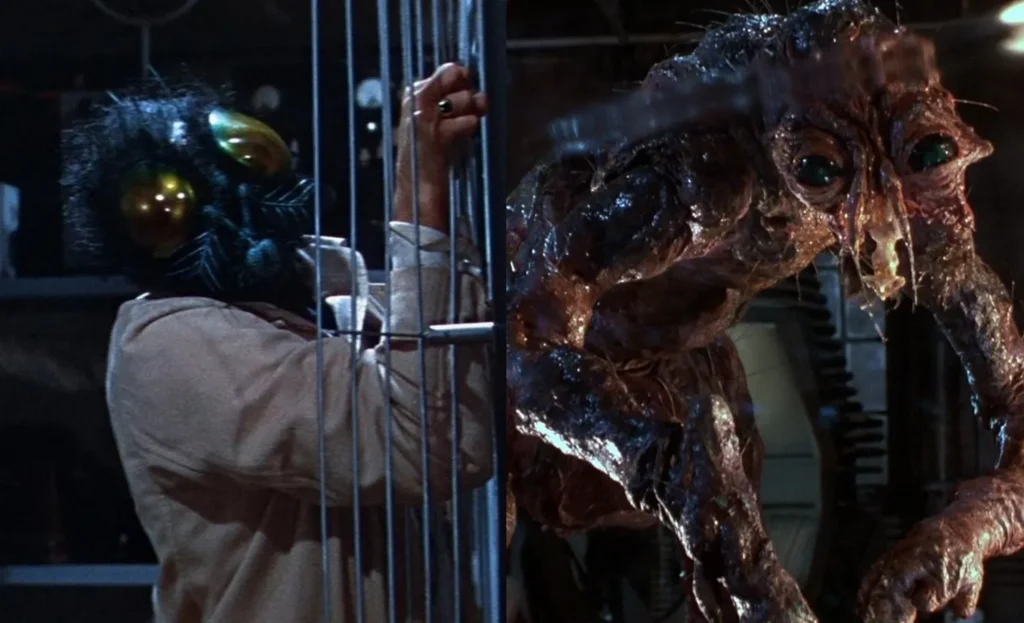
Few films capture the horror of transformation better than David Cronenberg’s The Fly. The story begins with excitement: scientist Seth Brundle invents teleportation technology and becomes his own test subject.
But something else travels with him.
A housefly.
What follows is not an immediate monster reveal, but a gradual, devastating metamorphosis. Teeth fall out. Skin changes. Strength increases even as humanity disappears.
The genius of The Fly lies in its pacing.
Transformation happens slowly enough that we can witness the emotional devastation alongside the physical mutation.
Brundle isn’t simply becoming a monster.
He is watching himself disappear.
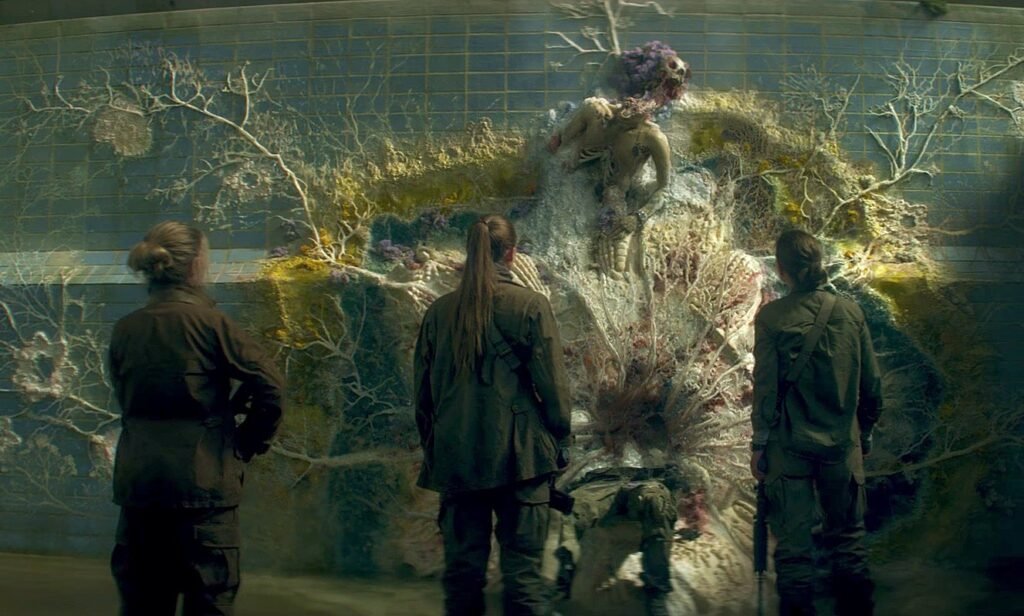
Annihilation — Nature’s Beautiful Corruption
Alex Garland’s Annihilation explores transformation in a more cosmic direction. Inside the mysterious phenomenon known as “The Shimmer,” DNA begins to refract, merge, and mutate.
Plants grow in human shapes. Animals combine traits in disturbing ways. Identity dissolves.
Transformation here is not violent in the traditional sense. It is quiet, strange, and eerily beautiful.
The horror comes from the realization that evolution does not care about human identity. It simply moves forward.
You do not fight it.
You become part of it.
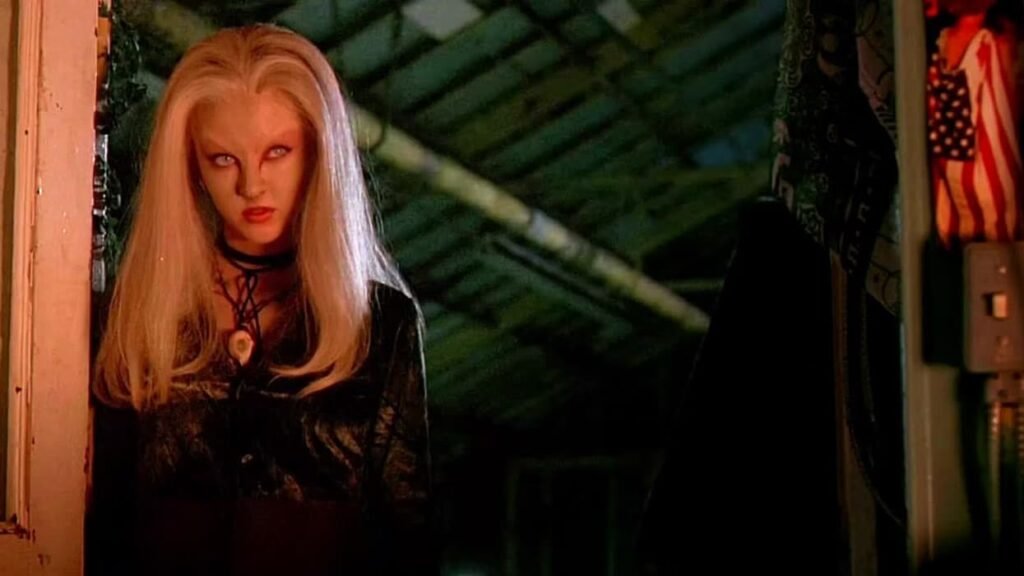
Ginger Snaps — Puberty as Monstrous Transformation
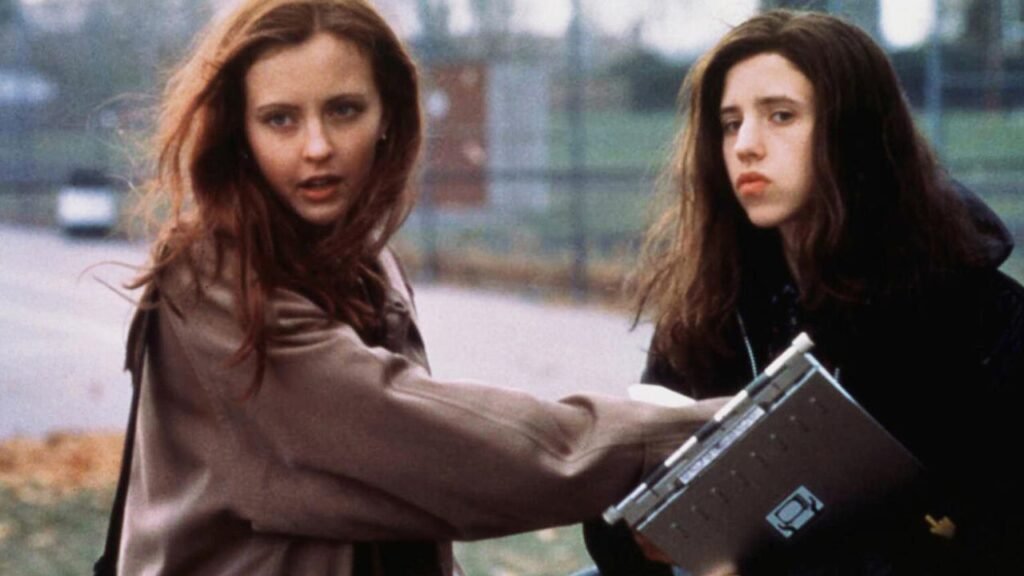
Few horror films capture the terror of adolescence like Ginger Snaps. The story follows two sisters obsessed with death and outsider identity.
When Ginger is attacked by a werewolf, her transformation begins to mirror puberty.
Hair grows. Aggression increases. Identity shifts.
The film brilliantly connects lycanthropy to the chaos of growing up. Bodies change in ways that feel frightening and uncontrollable.
Transformation becomes a metaphor for the universal horror of adolescence.
Becoming an adult is, after all, a kind of monster story.
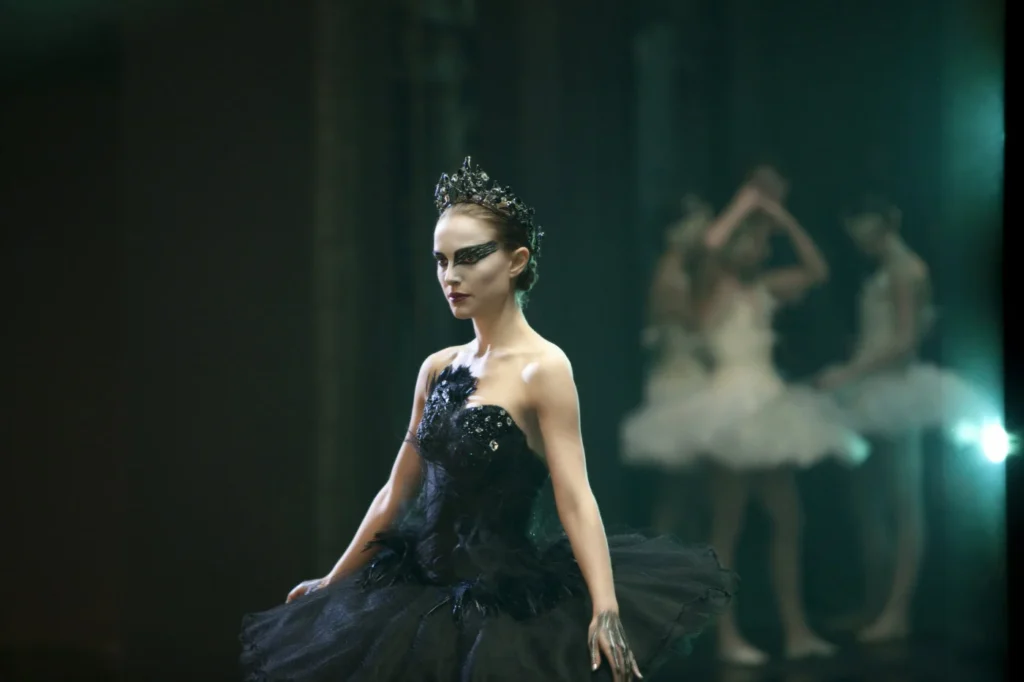
Black Swan — Psychological Metamorphosis
Not all transformation horror is physical.
Darren Aronofsky’s Black Swan focuses on psychological transformation — the collapse of identity under pressure.
As Nina pursues perfection in her ballet role, the boundaries between self and performance dissolve. Her body becomes alien to her. Reality fractures.
Transformation here is artistic obsession taken to its logical extreme.
The question becomes:
What do you lose when you become the thing you’re trying to create?
Why Rebirth Can Be Terrifying
Spring celebrates rebirth. Horror interrogates it.
Because rebirth always implies death of the previous self.
Transformation horror highlights the unsettling stages of that process:
Identity Dissolution
Characters begin to lose control over who they are.
Physical Mutation
The body betrays expectations.
Social Alienation
Others begin to fear or reject the transformed individual.
Irreversibility
Once transformation begins, it rarely stops.
In many ways, transformation horror reflects real anxieties about change — illness, aging, social pressure, and personal reinvention.
Transformation and the Monster Archetype
Monsters in horror often embody transformation itself.
Consider:
Werewolves: human to beast
Vampires: life to undeath
Zombies: living to corrupt
Alien hybrids: human to unknown
Each monster represents a threshold between states.
The monster is not just a creature.
It is a process.
Why Transformation Horror Resonates Today
Modern audiences connect strongly with transformation horror because the world itself feels unstable.
Technology changes identity.
Social roles evolve.
Biology can be altered.
Many people feel caught between versions of themselves.
Transformation horror externalizes that anxiety.
It asks:
What if becoming something new isn’t heroic?
What if it’s horrifying?
If You Want to Explore Transformation Horror
These films form a perfect starter watchlist:
The Fly
Annihilation
Ginger Snaps
Black Swan
Tetsuo: The Iron Man
Each explores transformation from a different angle — scientific, cosmic, psychological, and industrial.
Rebirth Is Not Always Beautiful
Horror reminds us that transformation is rarely graceful.
Bodies crack. Identities blur. Old selves dissolve into something unfamiliar.
Spring may promise rebirth, but horror asks the uncomfortable question:
What if the thing you become is not better… just different?
And what if the process of becoming never really ends?


 Prev Post
What do you think?
Show comments / Leave a comment