





 October 27, 2025
Some movies feel like Halloween — the way fallen leaves sound underfoot, or how the air smells like woodsmoke and sugar. They don’t just take place on October 31st. They embody it. They conjure that electric mix of nostalgia, danger, and wonder that makes the season what it is.
But what actually makes a film feel like Halloween? It’s more than pumpkins and trick-or-treaters. It’s a spell woven from atmosphere, pacing, myth, and memory — the sense that something ancient stirs just beyond the veil.
Let’s carve into the films that have earned their place in the Halloween canon, and explore what unites them beneath all the masks.
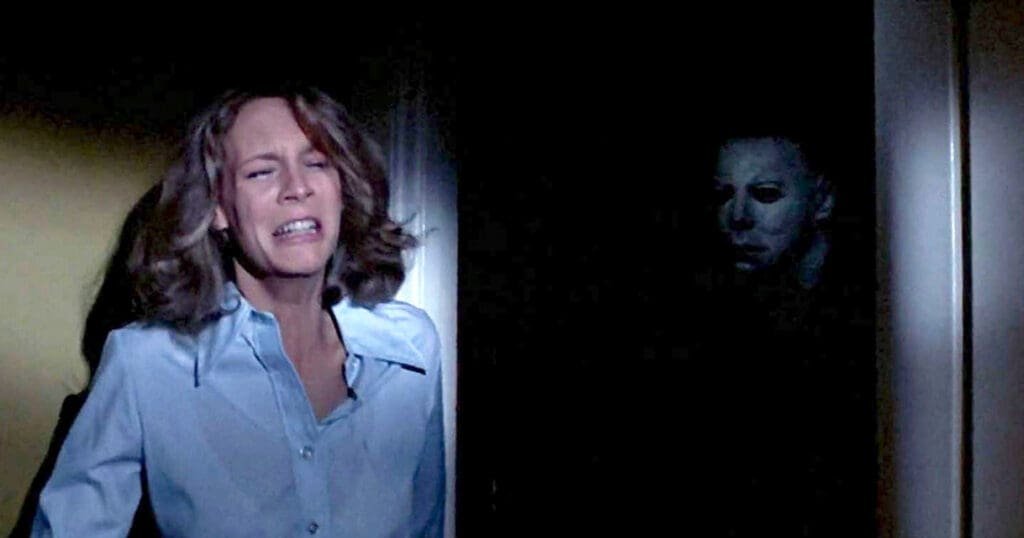
Halloween (1978): The Blueprint of the Season
You can’t talk about Halloween without Halloween. John Carpenter’s minimalist masterpiece is the cinematic essence of the holiday — suburban streets wrapped in amber light, the sound of distant laughter giving way to silence, and that piano theme pulsing like a heartbeat under the autumn air.
It’s not just about the killer. It’s about the feeling of Halloween night: the way daylight drains too early, how childhood innocence and lurking evil coexist. Carpenter’s genius was making the ordinary terrifying — turning carved pumpkins and babysitter chores into ritual objects of fear.
🎃 Why it feels like Halloween:
The small-town setting, crisp fall visuals, and timeless reminder that the scariest monsters are often the ones who live next door.
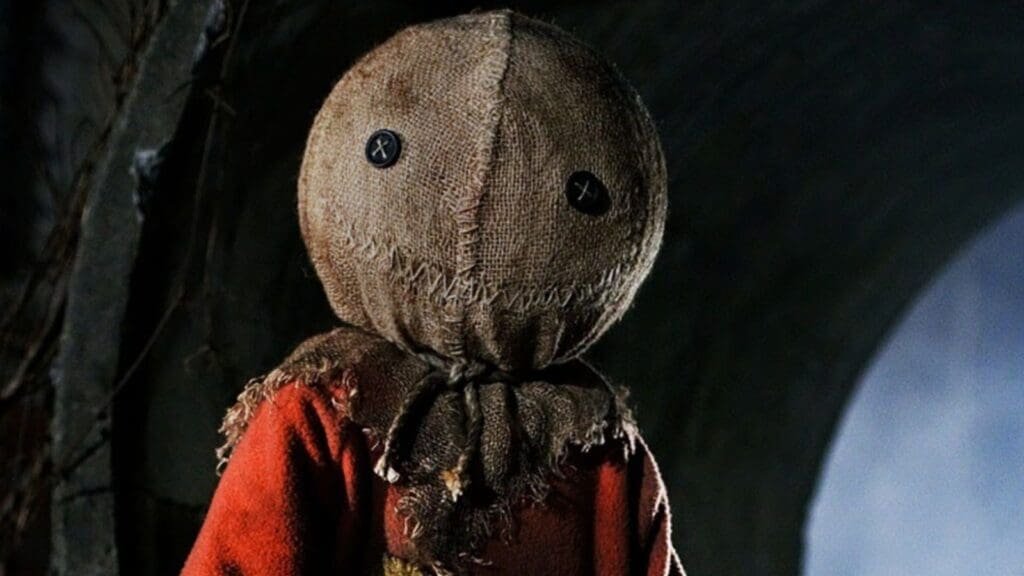
Trick ’r Treat (2007): The Spirit of the Season
If Halloween is the myth, Trick ’r Treat is the festival. Michael Dougherty’s anthology film doesn’t just take place on October 31st — it celebrates it, layer by layer. Each story pays homage to a different Halloween tradition: costumes, candy, parties, pranks, and the consequences of breaking the unspoken rules of the night.
And at the center of it all? Sam — the burlap-sacked spirit of Halloween itself. Mischievous, silent, and deadly, he ensures that the spirit of the holiday is respected.
🍬 Why it feels like Halloween:
It’s a love letter to the rituals — a film that treats Halloween not as a backdrop, but as a sacred, living thing.
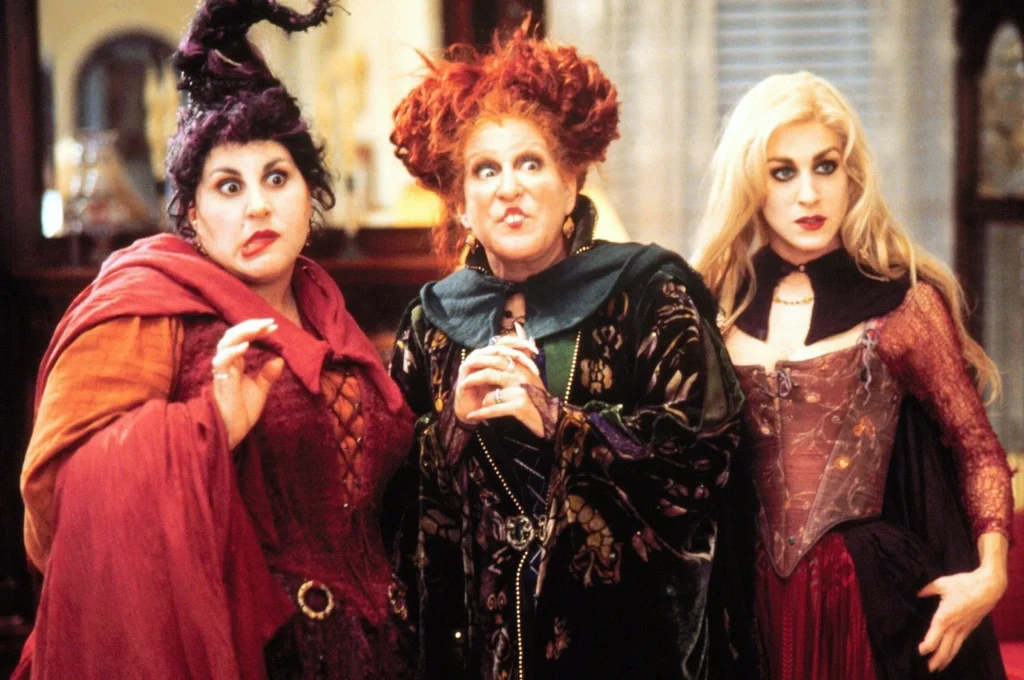
Hocus Pocus (1993): The Magic and the Mischief
Not all Halloween stories need to be dark to be iconic. Hocus Pocus captures the playful, nostalgic side of the holiday — the one filled with black cats, flickering candles, and a bit of musical chaos.
The Sanderson Sisters are both ridiculous and powerful, embodying the season’s duality of humor and horror. It’s a movie that made an entire generation want to light the Black Flame Candle (even though we definitely shouldn’t).
🕯️ Why it feels like Halloween:
Witchcraft, costumes, small-town charm, and that sense of wonder that Halloween gives us before we’re old enough to be truly afraid.
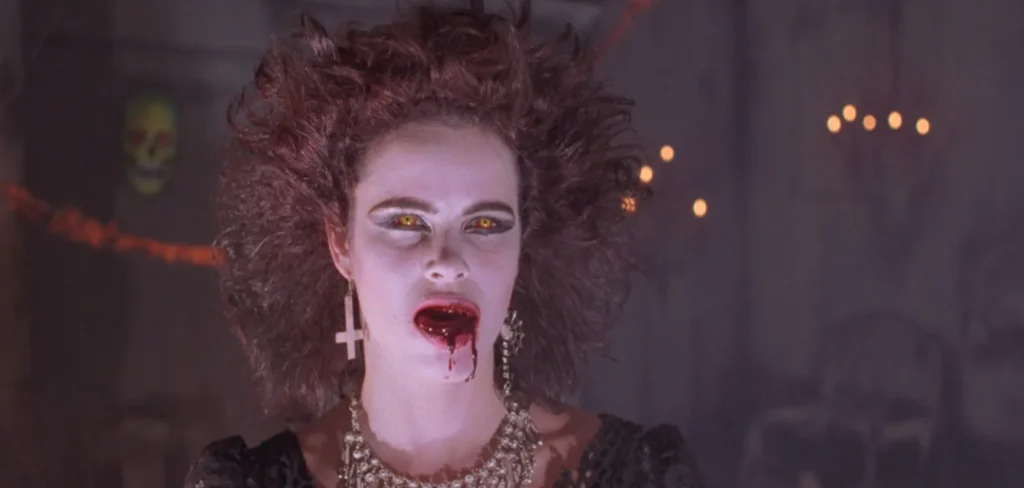
Night of the Demons (1988): The Punk Rock Halloween Party
If Trick ’r Treat is about traditions, Night of the Demons is about transgression. It’s loud, irreverent, and drenched in neon blood — a Halloween party that turns into a literal hellscape.
This cult favorite thrives on excess. It’s haunted-house horror filtered through ‘80s rebellion — every laugh echoing through abandoned halls, every scream distorted by strobe lights and synths.
💀 Why it feels like Halloween:
It’s pure chaos and ritual combined — teenagers, graveyards, demons, and the wild energy of a night that promises more than anyone bargained for.
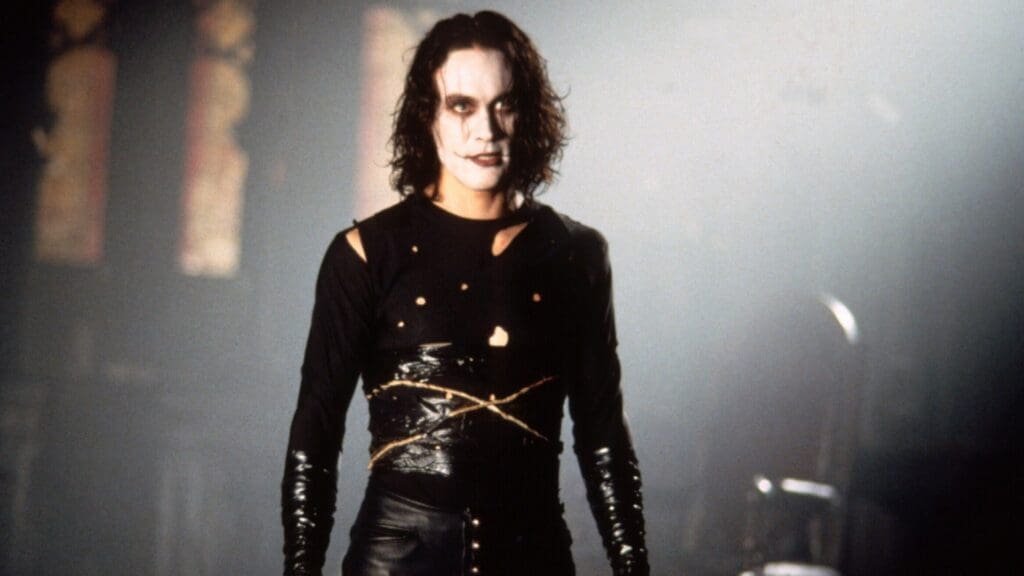
The Crow (1994): Halloween’s Gothic Heartbeat
Set on Devil’s Night — October 30th — The Crow channels the melancholy, romantic darkness that lies at Halloween’s core. Brandon Lee’s tragic performance gives the film an otherworldly sorrow, turning vengeance into poetry.
This is Halloween for the misfits — the ones who find beauty in ruin. Its perpetual rain, flickering candles, and soaring soundtrack feel like the darker twin of jack-o’-lantern glow.
🕸️ Why it feels like Halloween:
Gothic atmosphere, autumnal tragedy, and the bittersweet truth that death and love are never far apart.
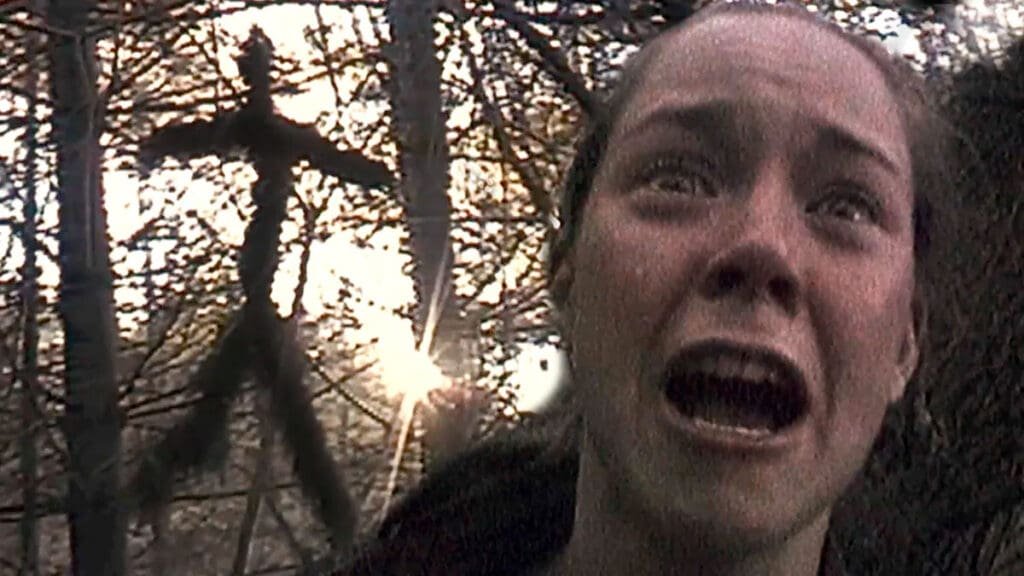
The Blair Witch Project (1999): The Fear in the Woods
The woods are where Halloween begins — the ancient, unlit places our ancestors feared long before suburbia. The Blair Witch Project strips the holiday back to its primal roots: fear of the unknown, of getting lost, of realizing that the thing you mocked is real.
Filmed with found footage grit, it feels almost folkloric — a legend retold through shaky cameras and whispered panic.
🌲 Why it feels like Halloween:
It returns us to the oldest ritual of all — facing the dark to see what stares back.
So, What Makes a Film Feel Like Halloween?
Across these very different films — from playful witches to merciless killers — there are threads that tie them together:
Autumnal Aesthetic: Gold leaves, bonfires, old houses, and small-town streets bathed in warm orange light.
Ritual and Rule: Each film hinges on tradition — break the rules, and the night turns against you.
Childhood vs. Darkness: Innocence always collides with corruption. Halloween is the one night we play with danger — these films remind us why.
Mythic Energy: The best Halloween films feel timeless — like they’re part of an old story we’ve always known.
Halloween horror isn’t about gore or ghosts. It’s about the feeling — that sense that something sacred and sinister shares the same breath.
The Modern Canon: Still Growing
New contenders continue to join the canon each year. Terrifier 2 (2022) revived the gory Halloween slasher. Scary Stories to Tell in the Dark (2019) brought childhood folklore to cinematic life. Even The House with a Clock in Its Walls (2018) evokes that same candlelit nostalgia.
But no matter how the genre evolves, the great ones always return to the same truth: Halloween is about transformation. One night where masks reveal more than they hide — and the veil thins, just enough, for us to feel the mystery of it all.


 Prev Post